























Assessing Shigella Concerns in Cape Verde: What You Need to Know

Health agencies in Europe and the UK have reported an increase in shigella cases among recent travellers to Cape Verde. Local officials insist the islands remain safe for visitors.
This report is focused on assessing shigella concerns in Cape Verde and on what travellers need to know. It summarises case numbers, official responses, and practical advice.
Case numbers and investigations
The European Centre for Disease Prevention and Control carried out a rapid assessment in 2022. It linked dozens of travel-related cases to Cape Verde during that period.
Between 22 November 2021 and 9 December 2022, the ECDC recorded 95 UK-linked cases. Ten EU/EEA countries, the UK and the US reported 258 travel-associated cases in 2022.
UK Health Security Agency figures show 158 cases reported since 1 October 2025. Of those, 118 people reported international travel, and 112 visited Cape Verde.
End-of-November 2025 reporting identified increased numbers from September to November. Country counts included the UK (137), Sweden (26), France (21), the Netherlands (8), and Ireland (1).
Investigators have identified a specific S. sonnei strain in many cases. That suggests a shared source or a persistent transmission route.
How shigella spreads and who is at risk
Shigella transmits via contact with contaminated faeces. Transmission can be person-to-person or through food, water, and contaminated surfaces.
High-risk groups include young children, recent travellers, men who have sex with men, and people experiencing homelessness. Prevention focuses on hygiene and safe food choices.
Local authorities and tourism response
The Cape Verde Institute of Public Health says surveillance has not confirmed an outbreak. Officials report no epidemiological evidence of widespread shigellosis.
The institute added that rapid tests used in some private hotel clinics are not specific to shigella. Authorities say further testing with more reliable methods is underway.
Tourism minister Dr José Luís Sá Nogueira told Filmogaz.com that Cape Verde receives around 1.2 million tourists annually. He said roughly 36 percent, more than 400,000 visitors, come from the UK.
The minister emphasised that there is no evidence travel to Cape Verde is riskier than travel to other warm destinations. He also said no deaths have been attributed to shigella.
Reports noted four British holidaymakers died after trips to Cape Verde. Authorities say none of the four tested positive for shigella or other pathogens.
Families criticised local healthcare provision in these cases. The tourism minister defended national healthcare quality and cited a life expectancy of 76 years.
Where infections were reported
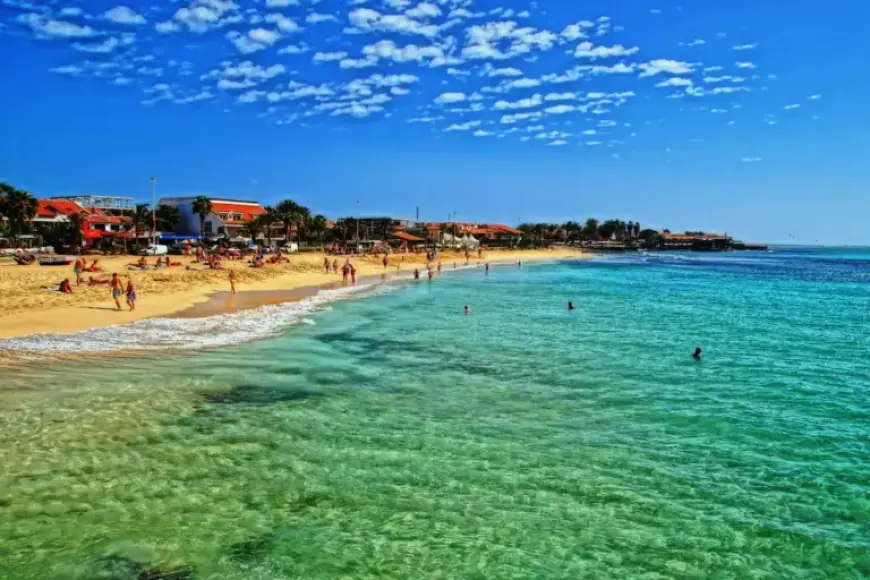
Many affected travellers stayed in five-star, all-inclusive hotels in Santa Maria on Sal and on Boa Vista. These locations have been focal points for investigations.
Investigators have not identified a definitive source. Multiple transmission modes are plausible, with foodborne spread considered most likely.
Advice for travellers
The UK Foreign Office has advised people with underlying health conditions to consult a clinician before travel. Public health agencies recommend sensible precautions for all visitors.
- Use hand sanitiser and hand wipes regularly.
- Choose food that is freshly and thoroughly cooked.
- Avoid unbottled water and uncooked street foods.
Dr Richard Dawood, a travel medicine specialist at Fleet Street Clinic, advises strict hygiene and careful food selection when travelling. He notes about two-fifths of travellers to hot countries experience diarrhoea.
The ECDC stated in March that the likelihood of contracting shigella in the Santa Maria region is moderate. Cases continue and the source remains unidentified, the agency said.
Final guidance
Travellers should take sensible precautions and seek medical advice if they have chronic conditions. Anyone who develops severe symptoms should contact local healthcare or their travel insurer promptly.
Filmogaz.com will continue to monitor official updates and provide practical information for holidaymakers. Keeping informed reduces risk and helps preserve travel plans.