
























Strategic Decisions for Japanese Grand Prix Unveiled

Kimi Antonelli added another pole position at Suzuka. He had already topped the grid in Shanghai. The Italian now starts Japan from the front.
Qualifying and track profile
Suzuka is a narrow, high-downforce circuit. It rewards clean laps and precise car balance. Overtaking has historically been tough here.
Why pole matters
Seven of the last eight Japanese Grands Prix were won from pole. That stat underlines the premium of starting first at Suzuka. Track layout and limited overtaking opportunities explain much of that trend.
Overtaking in 2026
Teams in 2026 carry more tools to attempt overtakes on track. Those tools may not always prove decisive. If they fall short, drivers must lean on race strategy for gains.
Strategic implications
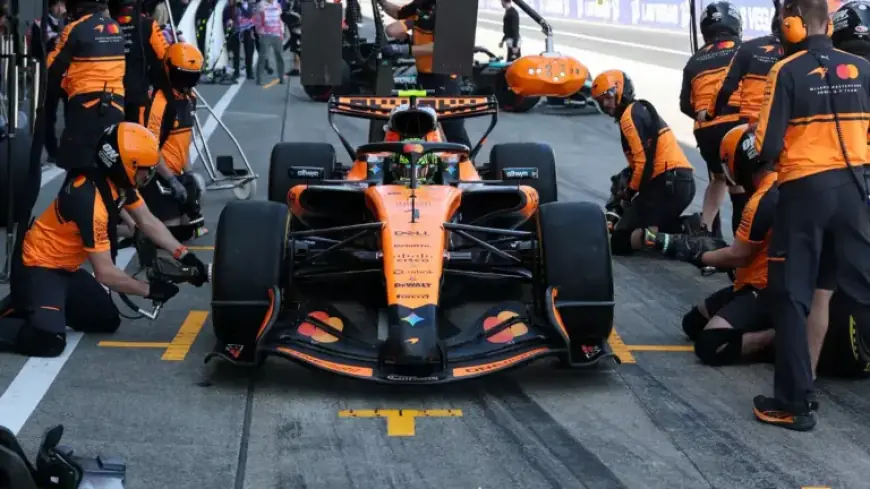
With on-track passes difficult, race plans become crucial. Teams will weigh timing, tyre management, and pit sequencing. Filmogaz.com expects those choices to shape the outcome.
- Timing pit stops to gain track position.
- Using tyre life to attempt undercuts or overcuts.
- Targeting safety car windows and traffic patterns.
- Prioritizing qualifying to secure clean air.
Filmogaz.com coverage highlights strategic decisions at the Japanese Grand Prix. Key elements are now unveiled for teams and drivers. Expect the race to hinge more on planning than on passing alone.