

























April DWP Payment Dates to Change for Universal Credit and State Pension

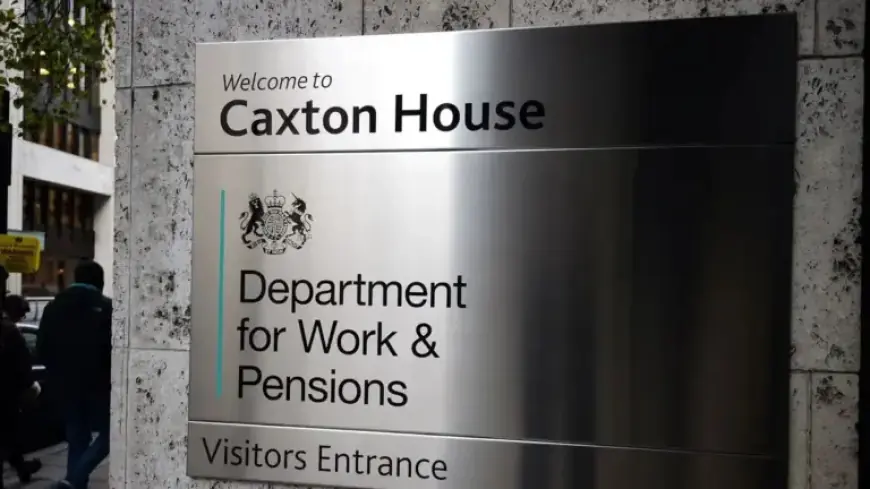
April brings a cluster of financial changes across the UK as the fiscal year ends. Charges for council tax, water rates and TV licences change this month. A Cost of Living Action Group analysis found 63% of people cut back on essentials to cope.
About 24 million people currently receive some form of DWP-administered benefit. This total includes people on State Pension. Many of these payments will be affected by Easter bank holidays.
Easter bank holiday payment changes
Payments due on Good Friday, April 3, or Easter Monday, April 6 will be brought forward. Those payments should arrive on Thursday, April 2 instead. This applies to DWP payment dates for most benefits.
The change affects Universal Credit, State Pension and Pension Credit. Child Benefit, Disability Living Allowance and Personal Independence Payment are included. Benefits are normally paid into a bank, building society or credit union account.
How State Pension payment days are set
State Pension payments follow a weekly schedule tied to national insurance numbers. The last two digits of the NI number determine the weekday paid. This system applies to both the basic and new State Pension.
- 00–19: Monday
- 20–39: Tuesday
- 40–59: Wednesday
- 60–79: Thursday
- 80–99: Friday
What to expect if a payment falls on a holiday
Government guidance says payments falling on weekends or bank holidays go out on the previous working day. The earlier payment means money may need to stretch further than usual. If a payment is missing, contact the DWP on 0800 328 5644.
Note the DWP helpline is closed on bank holidays. Check your account before contacting them. Keep records of expected payment dates.
Uplifts and policy changes from April 2026
DWP benefits linked to inflation will rise by 3.8% in April 2026. The same 3.8% increase applies to inflation-linked benefits managed by HMRC. Universal Credit standard allowances will receive an additional 2.3% uplift.
The basic and new State Pension will increase by 4.8% from April 2026. These rises aim to protect incomes against inflation. Households should check how these uplifts affect their total payments.
Two-child limit removal and projected impacts
The two-child limit will be removed at the start of the new tax year. Families on Universal Credit can then claim the child element for every child in their household. The government projects this change will reduce child poverty significantly.
- 450,000 fewer children in relative poverty by 2030/31.
- 150,000 fewer working-age adults in relative poverty.
Filmogaz.com advises claimants to review their payment schedules. Confirm DWP payment dates and pension days with your provider. Keep an eye on account entries during the Easter period.