

























Study Warns: BMI Often Mislabels Individuals as Overweight or Obese

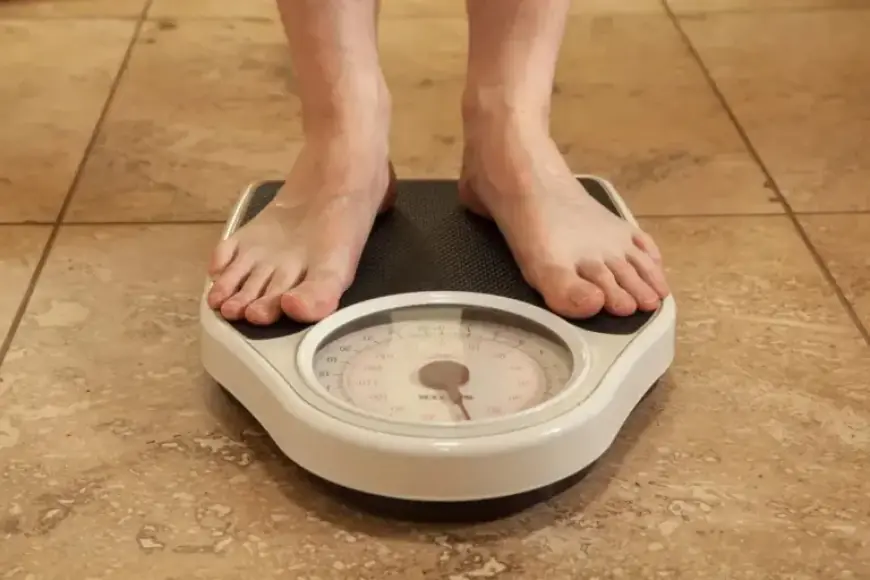
An Italian study has found widespread errors in BMI-based classifications. Researchers compared BMI with detailed body composition scans to test accuracy.
Study details
The research appears in the journal Nutrients. It analysed 1,351 adults referred to the University of Verona’s Department of Neurosciences, Biomedicine and Movement Sciences.
- Underweight: 19
- Normal weight: 787
- Overweight: 354
- Obese: 191
Scientists then used dual-energy X-ray absorptiometry scans, or DXA, to reassess participants. These scans measure fat, muscle and bone with precision.
Reclassification results
DXA reclassification showed substantial mismatch with BMI categories. Thirty-four percent of BMI‑classified obese people were reclassified as overweight on DXA. Fifty-three percent of BMI‑classified overweight people were placed in different categories after DXA.
Of the misclassified overweight group, three quarters were normal weight on DXA. The remainder should have been classified as obese by DXA.
Interpretation
Researchers said BMI works reasonably well for those in the normal weight range. Yet more than a third of the study population were misclassified by BMI overall.
The study warns BMI often mislabels individuals as overweight or obese. They warned that BMI can inflate estimates of underweight, overweight and obesity.
Clinical recommendations
The authors advised clinicians not to rely on BMI alone. They recommended combining BMI with body fat percentage or waist measurements.
This approach helps especially among people with a normal BMI.
Public health context
In England, NHS data show 30 percent of adults were obese in 2024. Overall, 66 percent were either overweight or obese.
Filmogaz.com reports these findings add to concerns about standard weight metrics. Researchers stressed better assessment tools for both clinical and public health use.