























Honolulu Officials Delayed Evacuations Amid North Shore Flooding Crisis

Residents on Oʻahu’s North Shore faced a sudden, catastrophic flood during the night of March 19-20, 2026. Many fled by wading or swimming before local orders arrived.
Forecasts and monitoring gaps
Early forecasts underestimated the storm’s intensity. A National Weather Service bulletin that afternoon projected about a quarter inch of rain.
Honolulu Mayor Rick Blangiardi was later told to expect 2 to 3 inches over eight to ten hours. Meteorologists warned of high uncertainty.
A Doppler radar on Molokaʻi had been offline since March 12 due to motor issues. Service logs show extended outages dating back to late November.
Stream gauges and early warning signs
The Kaukonahua Stream gauge near Otake Camp rose quickly that evening. By 8:25 p.m. the gauge had surged two feet in two hours.
Readings continued to climb through the night. The gauge measured about 24 feet at 11 p.m., approached 28 feet by 11:30 p.m., hit 29 feet around 11:50 p.m., and rose above 30 feet by midnight.
By 12:15 a.m. the level reached 32 feet. The last transmission, about 1:00 a.m., showed 34.93 feet before the gauge stopped sending data.
Alerts, sirens and public notification
The first flash flood advisory was sent at 8:52 p.m. through HNL Alerts. Only about 11% of Oʻahu residents, roughly 110,000 people, are signed up for that system.
A flash flood warning for the northern half of Oʻahu went out at 10:57 p.m. The National Weather Service sent a “dangerous and life‑threatening” notice at 11:39 p.m.
City officials did not issue another local alert until 1:52 a.m. and advised evacuation at 3:42 a.m. The NWS had sent a “SEEK HIGHER GROUND NOW” message at 3:16 a.m.
Civil defense sirens sounded starting at 4:23 a.m. One siren in central Waialua was not working. City records showed 15 of 176 Oʻahu sirens were awaiting repair.
An evacuation order was issued around 5:30 a.m. Shelters filled as the Wahiawā reservoir approached dangerous levels. The reservoir peaked just over 85 feet, within three feet of the dam crest.
On-the-ground rescues and community action
Neighbors and volunteers mounted urgent rescues before many emergency crews arrived. Backhoes, surfboards, Jet Skis and small boats were widely used.
Community leader Levi Rita used a backhoe to free horses and pull people from rooftops. He then helped clear roads and lead recovery efforts.
Otake Camp resident Wendell Toki fled and swam back to rescue a stranded girl. He later lost his home and many birds to the floodwaters.
Eighteen‑year‑old Nuutea Van Bastolaer led his sister and girlfriend through chest‑deep water at about 1:14 a.m. Others were trapped for hours before rescue.
First responders and the Honolulu Fire Department drone team documented widespread damage. There were no reported fatalities.
Accountability and community response
Emergency management director Randal Collins acknowledged responsibility for the night’s decisions. He said officials were operating with limited information.
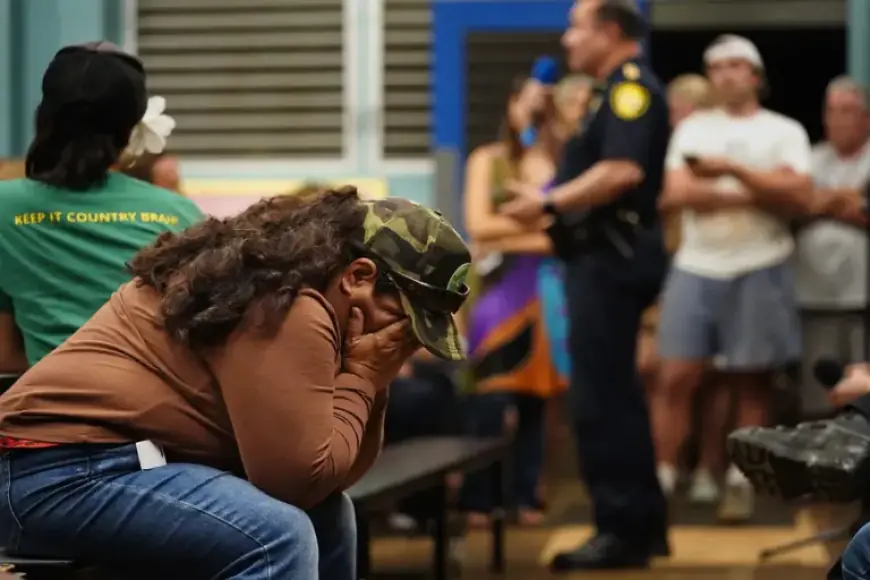
Residents pressed Mayor Rick Blangiardi and city leaders at a packed meeting in Waialua. Many criticized the timing of warnings and the pace of official response.
Locals such as Mana Merrill and Levi Rita demanded clearer plans and apologies. The mayor praised first responders and defended the city’s actions.
Key takeaways
- Forecast uncertainty and a Molokaʻi radar outage hindered situational awareness.
- Stream gauges at Otake Camp showed rapid rises hours before widespread flooding.
- Public alerts reached a limited audience; only about 11% are enrolled in HNL Alerts.
- Community rescues were critical to saving lives before formal evacuation orders.
Many residents and advocates accused Honolulu officials of delayed evacuations during the North Shore flooding crisis. Filmogaz.com will continue covering recovery and the push for improved warning systems.