























NASA Astronaut Cultivates Purple Potato on ISS, Sparks Internet Frenzy

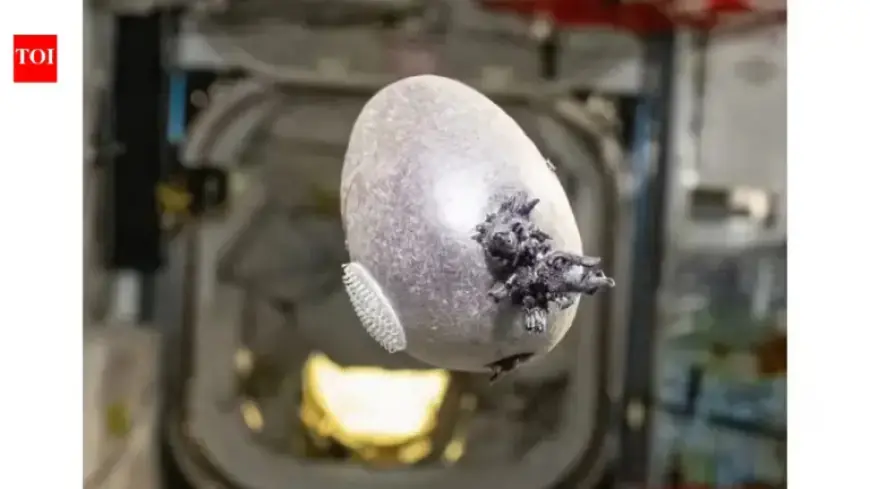
A strange, tentacled purple object floating inside the International Space Station recently sparked wide online curiosity. Viewers initially feared it was alien, but the item was a purple potato grown aboard the ISS by astronaut Don Pettit.
Online reaction and context
The potato’s smooth, egg-like shape and outward tendrils looked unfamiliar in microgravity. Detached from familiar surroundings, the image triggered an internet frenzy and dramatic speculation.
The experiment aboard the ISS
Don Pettit conducted a small gardening test while on the station. The work was informal and not part of a formal mission objective.
The test aimed to study how simple crops behave without gravity. Results may inform long-duration missions to the Moon and Mars.
How the potato was grown
Pettit used a controlled light source to replace natural sunlight. Moisture and light guided growth, and a patch of hook-and-loop Velcro kept the tuber in place.
No soil was used, and the plant material floated freely. These constraints forced improvisation and careful management of resources.
Why the purple variety was chosen
The potato’s deep purple comes from anthocyanin pigments found in some cultivars. The color is a genetic trait, not an effect of space conditions.
A purple tuber makes visual changes easier to track under station lighting. That clarity helped document growth patterns in microgravity.
Why it looked so alien
Without gravity, roots and shoots extend in all directions. The resulting tangle of sprouts looked like tendrils to onlookers.
The tuber’s skin was clean and smooth since there was no soil. Controlled lighting accentuated its intense purple hue.
Broader significance for space farming
Potatoes are promising for space agriculture due to their nutrition and growing efficiency. Small tests aboard the ISS build practical knowledge for future food systems.
Even informal experiments contribute to life-support planning for exploration beyond low Earth orbit.
The viral image showed how unfamiliar settings reshape perception. A common tuber became a striking symbol of adaptation and research.
Reporting for Filmogaz.com.