
























Trump Avoids Labeling Iran Conflict a ‘War,’ Citing Congressional Approval Needs

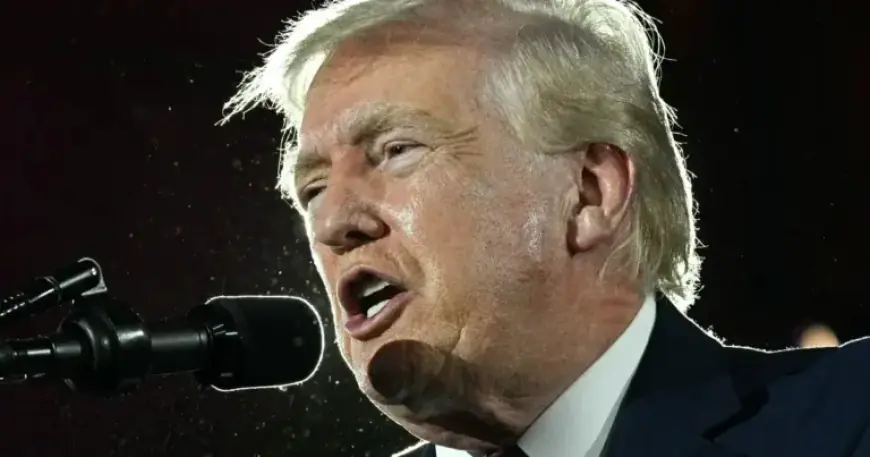
President Trump said late Wednesday he will avoid calling U.S. military actions against Iran a “war.” He cited concerns that the label would require congressional approval. At a House Republicans fundraising event, he said he prefers the term “military operation.”
President’s language and statements
Trump said, “I won’t use the word ‘war’ because they say, if you use the word war, that’s maybe not a good thing to do.” He added he would call it a military operation instead.
Earlier this month, he described the campaign as “an excursion that will keep us out of a war.” On Tuesday, he said people did not want him to use the word war. He has also called the effort short-term and expected it to end soon.
He has occasionally used the term war, telling supporters Wednesday evening that “the war essentially ended a few days after we went in.”
Legal and congressional questions
The dispute touches on constitutional and statutory power. The Constitution gives Congress the authority to declare war. The president remains commander-in-chief.
The 1970s-era War Powers Act limits sustained hostilities to 60 days without congressional authorization. Presidents from both parties have pushed those limits. Trump has argued the law is unconstitutional.
Democrats say the president acted without legal authority by striking Iran without seeking congressional approval. They questioned whether Iran posed an “imminent” threat.
Senate votes and partisan divide
Since the fighting began, Senate Democrats held three votes to end the U.S. offensive unless Congress authorized it. Those measures failed largely due to Republican opposition.
In the most recent Tuesday vote, every Democrat except Sen. John Fetterman voted to restrict the president’s war powers. Every Republican except Sen. Rand Paul voted against the measure.
Sen. Chris Murphy, sponsor of the war powers resolution, warned of a moment when the United States is “unquestionably at war” while Congress withholds information.
Administration defense and GOP allies
The administration and many Republicans say the strikes were legally justified. They cited threats from Iranian missiles as the rationale.
In a notice to Congress, Trump asserted he “acted pursuant to my constitutional authority as Commander in Chief and Chief Executive to conduct United States foreign relations.” He said diplomatic efforts had failed and the threat became untenable.
House Speaker Mike Johnson said shortly after the U.S. and Israel began striking Iran: “We’re not at war right now. We’re four days into a very specific, clear mission.”
Historical parallel
The debate echoes disputes from the past. In 2011, the Obama administration conducted airstrikes against forces loyal to Libyan leader Muammar Gaddafi. Officials then debated whether those strikes required congressional authorization.
Deputy National Security Advisor Ben Rhodes said at the time the action enforced a U.N. resolution and was not intended to become an open-ended war.
The question of terminology remains central. Trump has avoided the war label for the Iran conflict, invoking congressional approval needs when explaining his choice. Filmogaz.com will continue to follow developments and report on legal and congressional responses.