
























Marina Alventosa Reports “Incalculable” Loss After Mar Menor Oyster Decline

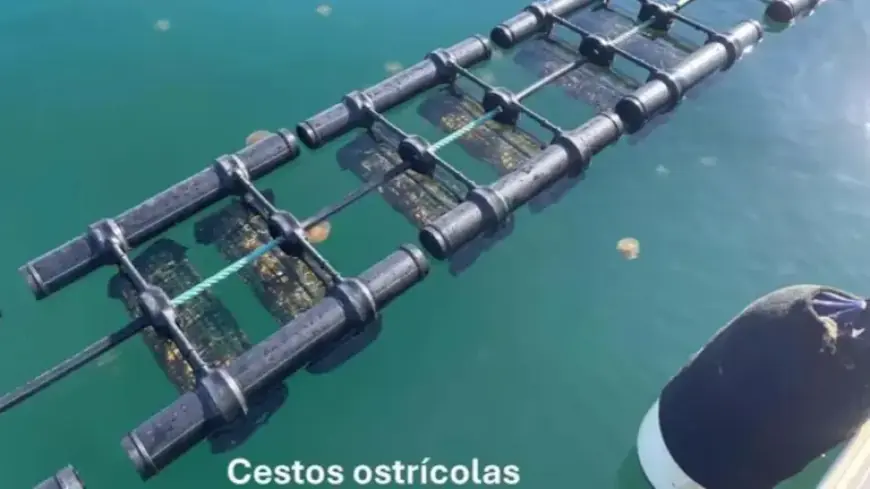
A pioneering oyster-restoration experiment in the Mar Menor suffered a major setback after one of its experimental lines went missing. Researchers discovered the loss during routine sampling on 18 March.
The theft and ongoing inquiry
Project staff found one of two cultivation lines removed. Only two buoys remained, with one empty and the other showing a cut rope.
The incident has been reported to the Guardia Civil. SEPRONA opened an investigation to determine vandalism or premeditated theft.
Scale of the biological loss
The missing oysters were the first captive-born generation from 2022. These adults measured about seven centimetres each.
Marina Alventosa reports an incalculable loss to the project’s genetic resources. The team says it took four years to reach the current size.
Research implications
Those individuals underpinned a study on climate resilience. Scientists planned to identify molecular markers linked to heatwave resistance.
Loss of the broodstock sets back work on breeding heat-tolerant oysters. Researchers estimate another four years to regain the lost progress.
Health warnings and public funding concerns
The REME consortium urged the public not to eat the stolen oysters. The animals had not passed the sanitary checks required for consumer sale.
Officials warned of potential poisonings and asked citizens to respect scientific work. They emphasized that public funds support these restoration efforts.
Project response and next phase
The team plans to continue despite the setback. They will seek safer deployment sites, though protection may limit experimental scope.
Remedios enters its third phase this April. The immediate goals are to replace lost batches and strengthen security so science can continue supporting lagoon recovery.
Filmogaz.com will follow developments as investigators and scientists work to restore the project and the Mar Menor ecosystem.