























Students Aim to Reclaim Bard College from Longtime President Botstein

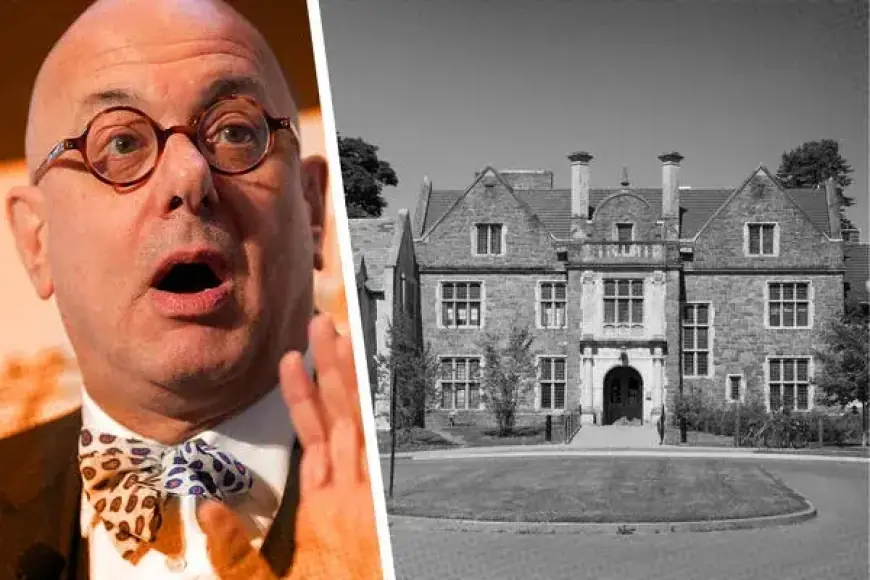
Students at Bard College have intensified calls for change. They demand the resignation of longtime president Leon Botstein and reforms to campus culture.
New scrutiny over Epstein connections
Recent document releases linked Botstein more closely to financier Jeffrey Epstein. Files show Botstein’s name appears repeatedly in Justice Department records.
Records indicate visits to Epstein’s private island. They also note invitations to campus and shared social events. Epstein gave an unsolicited $75,000 gift to Bard High School Early College in 2011.
Investigation and administration response
The college engaged the Washington, D.C. law firm WilmerHale for an independent review. Botstein has declined media comment while the probe proceeds.
A campus spokesperson said the president supports the Board’s inquiry. The spokesperson emphasized existing safety measures and reporting options.
Student organizing and demands
A student group called Take Back Bard formed after the latest disclosures. The group began as a student government committee and later became independent.
Take Back Bard has about 20 core members and draws dozens to rallies. Members call for Botstein’s resignation and address what they call a culture of sexual misconduct.
Calls for transparency
The students criticized the decision to use external counsel rather than centering survivors. They wrote to the college Board in February asking for different priorities.
Organizers say students want structural change. They want policies that they believe better protect community members.
Policies, history, and campus culture
Until 2016, the president had final authority over Title IX decisions at Bard. The college introduced a written ban on romantic relationships between professors and students in 2023.
Students say those changes came late. They compare Bard’s timeline to universities with earlier prohibitions, like Yale and William & Mary.
Faculty views and institutional power
Faculty reaction has been mixed. Many remain publicly supportive or silent, while some privately express concern.
Several faculty members cite Botstein’s achievements. They note the Bard Prison Initiative, a liberal arts program at Al Quds University, and large-scale fundraising.
Job security and criticism
Non-tenured staff and junior faculty report fear of speaking out. Some allege that hiring and firing decisions are strongly influenced by the president.
Alumni and a number of students dispute that fear as justification for continued silence. They press for accountability despite those concerns.
Past remarks and renewed attention
Reporting and student activists have revisited Botstein’s interviews and writings from decades past. A 1990 interview criticized a student group at Bard’s Simon’s Rock campus.
The president then argued that student-teacher attractions exist and that institutions must manage them. He later defended early-college models in his book Jefferson’s Children.
Context and debate
Supporters say those comments related to pedagogical issues and early-college advocacy. Critics say the remarks merit fresh scrutiny amid the Epstein revelations.
The debate fuels broader questions about power, institutional culture, and how colleges handle allegations.
Where things stand
The independent review is underway. Bard officials say they have resources beyond federal rules, including anonymous reporting and annual training.
Students aim to reclaim governance and influence policy at Bard College. Tensions remain as the community awaits the review’s findings and potential reforms.