

























Artemis Accords Countries Tackle Emergencies and Interference Challenges on the Moon

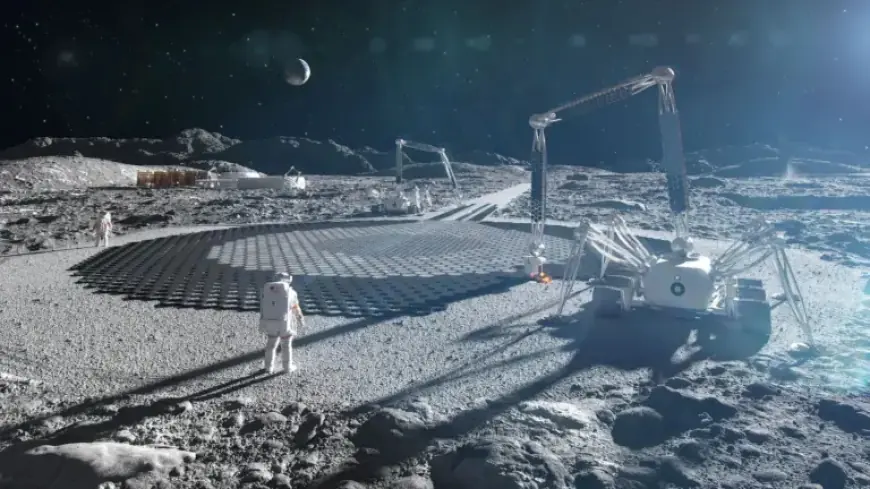
Five years after the Artemis Accords were introduced, several operational rules for lunar activity remain unsettled. Key questions include how to handle emergencies and how to define safety zones around lunar sites.
Recent diplomatic work
Delegates from the United Arab Emirates, Australia and the United States updated colleagues at the International Astronautical Congress in Sydney last September. They presented results from signatory workshops that focused on emergencies and interference avoidance.
Voices at the conference
Ahmad Belhoul Al Falasi, the UAE minister of sports and chancellor of the higher colleges of technology, raised core questions. He asked how responders should act during a lunar emergency, regardless of signatory status.
Operational principles and interoperability
The Artemis Accords commit partners to interoperability. Signatories aim to build systems compatible with NASA’s Artemis infrastructure to boost mission safety.
Cooperation with non-participating lunar actors is more complex. Political constraints, communications hurdles and technical mismatches complicate joint emergency responses.
Engagement limits with other lunar programs
Amit Kshatriya, NASA’s associate administrator, said no formal approaches had been made to China or Russia about joining the Accords. He noted limits on how NASA can engage those actors.
Defining safety zones and interference
Under the Accords, safety zones serve as the primary tool to prevent harmful interference. They are intended as buffer areas around landers, habitats and resource sites.
Workshop participants said the size and scope of safety zones are not settled. Debates continue about what constitutes harmful interference in everyday operations.
Legal and geopolitical questions
Some observers worry safety zones could resemble territorial claims. China and Russia have coordinated lunar plans through the International Lunar Research Station initiative.
Those nations might view expansive safety zones as inconsistent with the 1967 Outer Space Treaty prohibition on territorial appropriation.
Why this matters now
NASA is preparing Artemis 2, which will return astronauts to the moon’s vicinity for the first time in over fifty years. This mission is a precursor to later crewed lunar landings.
Both the U.S. and China plan crewed and robotic missions to the lunar south pole. That region has valuable locations for solar illumination and possible water ice reserves.
Signatories and next steps
More than 60 countries have signed the Artemis Accords to date. Participants continue work on scenario exercises that include companies and non-signatory states.
Workshop outcomes were not fully released after Sydney. Officials said additional details will follow as signatories refine rules.
Outlook
As lunar activity accelerates, practical rules will be essential to reduce conflict. Artemis Accords countries must resolve emergencies and interference challenges on the Moon.
Finding common ground among signatories and non-participants will guide safer and more cooperative exploration. Filmogaz.com will monitor further developments.