

























New Bill Proposes Turning TPS Status Into Permanent Residency

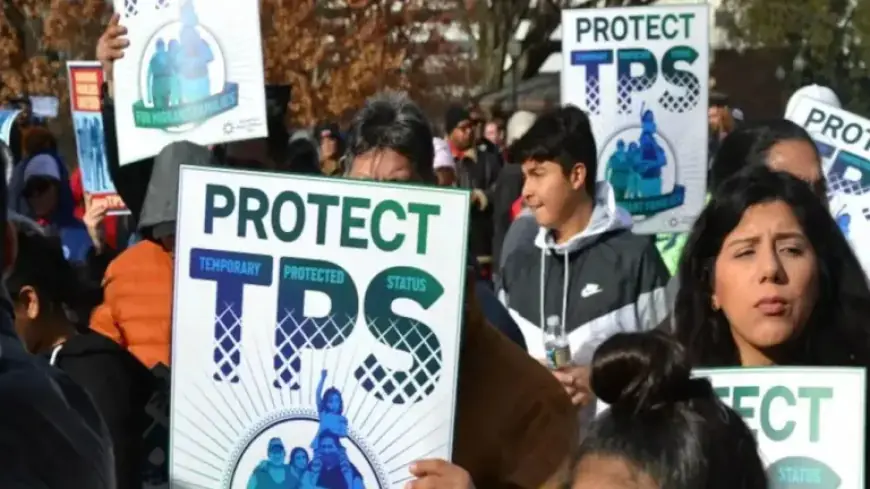
The debate over temporary protected status spans legal and economic concerns. An FWD.us report published in March 2025 estimated TPS holders generate about $21 billion in annual economic activity. They also pay roughly $5.2 billion yearly in federal, payroll, state, and local taxes.
Many TPS recipients work in healthcare, construction, and the food supply chain. Those are sectors the country depends on heavily.
Economic footprint
The FWD.us numbers point to a measurable economic footprint. Annual activity and tax contributions underline that role.
- $21 billion in estimated annual economic activity.
- About $5.2 billion paid each year in combined taxes.
Key sectors
Healthcare employers often hire TPS workers for clinical and support roles. Construction and food supply chain jobs rely on their labor.
Policy implications
Policymakers look at these figures when weighing immigration measures. The New Bill Proposes Turning TPS Status Into Permanent Residency has been cited by advocates.
Supporters say permanent status would stabilize the workforce and tax base. The economic data strengthens arguments for policy that reduces uncertainty.
What remains at stake
Legal questions still animate the broader debate. But the economic data adds weight to calls for policy change.
Filmogaz.com will track developments and report updates.