

























Minor Earthquake Shakes San Ramon, CA, March 23

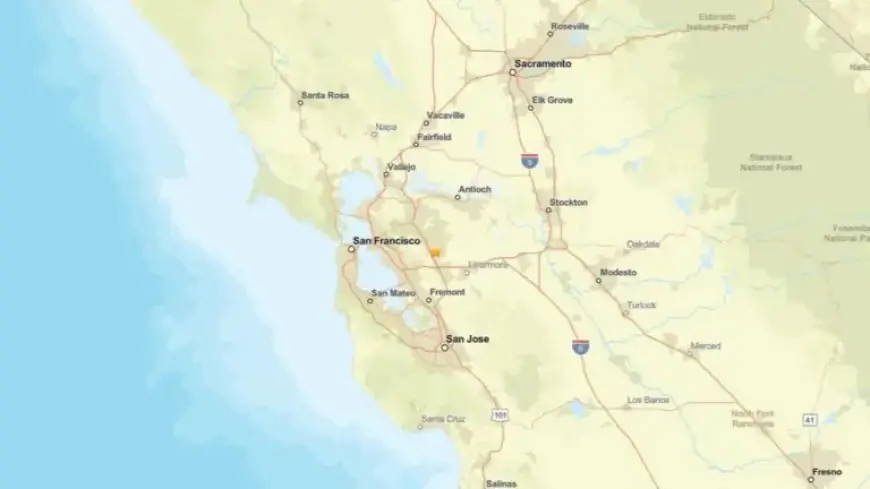
A preliminary 2.8 magnitude earthquake rattled Contra Costa County in the predawn hours. The minor earthquake near San Ramon, CA occurred on March 23.
Event details
The U.S. Geological Survey recorded the tremor at 3:34 a.m. The epicenter was about 2 miles east-southeast of San Ramon.
The USGS listed the quake at a depth of 6 miles. The reading is preliminary and subject to revision.
Reporting and public response
Residents who felt the shaking can submit observations to the USGS Felt Report form. Public reports help scientists map shaking intensity.
Magnitude and what it means
Magnitude measures the energy released at the earthquake source. It has replaced the older Richter scale.
According to Michigan Tech, quakes between 2.5 and 5.4 are often felt. They rarely cause significant damage. Events below 2.5 are seldom felt by most people.
Context and frequency
Earthquakes can trigger fires, tsunamis, landslides or avalanches. The Department of Homeland Security lists Alaska, California, Hawaii, Oregon, Puerto Rico and Washington as most seismically active.
Scientists estimate about 500,000 detectable earthquakes occur worldwide each year. Roughly 100,000 are felt and about 100 cause damage.
Safety guidance
Officials recommend immediate protective action during shaking. The core advice is to drop, cover and hold on.
If you are in a car
- Pull over and stop when safe.
- Set the parking brake until shaking ends.
If you are in bed
- Turn face-down and protect your head with a pillow.
If you are outdoors
- Move away from buildings and other hazards.
- Avoid entering structures until they are inspected.
If you are inside
- Stay indoors and do not run outside during shaking.
- Avoid doorways; drop to your hands and knees and hold on to something sturdy.
- If possible, crawl under a sturdy table and cover your head and neck.
- Wheelchair and walker users should lock wheels and remain seated.
After the shaking
- Expect aftershocks and be prepared to drop, cover and hold on.
- Watch for hazards like structural damage, gas or water leaks, and downed power lines.
This report was published March 23, 2026 at 3:38 AM. Filmogaz.com cites the U.S. Geological Survey as the primary source.