
























Iran Warns of Closing Strait of Hormuz Amid Trump’s Deadline

U.S. Central Command says the military campaign against Iran is proceeding as planned. Admiral Brad Cooper told a Farsi-language network Iran’s rate of drone and missile launches has slowed. The comment came as Israeli forces launched a large wave of strikes on Tehran and other Iranian sites.
Fighting and strikes
Israeli strikes hit infrastructure across Tehran early on Monday. State-affiliated outlets reported explosions in multiple neighborhoods. Rescuers were searching rubble after an airstrike flattened buildings in Urmia.
A strike on a radio station in Bandar Abbas killed at least one person. Kuwait and the UAE reported their air defences intercepted Iranian missiles and drones. Bahrain sounded air-raid sirens while Saudi forces said they destroyed incoming drones in the Eastern Province.
An Indian national in Abu Dhabi suffered shrapnel injuries after a ballistic missile was intercepted near Al Dhafra Air Base. Military officials say Iran now launches attacks in smaller numbers. Admiral Cooper described a shift from mass salvos to one-or-two strikes at a time.
Casualties and displacement
Officials report heavy losses across the region since the war began. Iranian authorities say more than 1,500 people have died. More than 1,000 deaths were reported in Lebanon.
Fifteen people have died in Israel. Thirteen U.S. service members have also been killed. Millions of people have been displaced in Iran and Lebanon.
Shipping and energy disruption
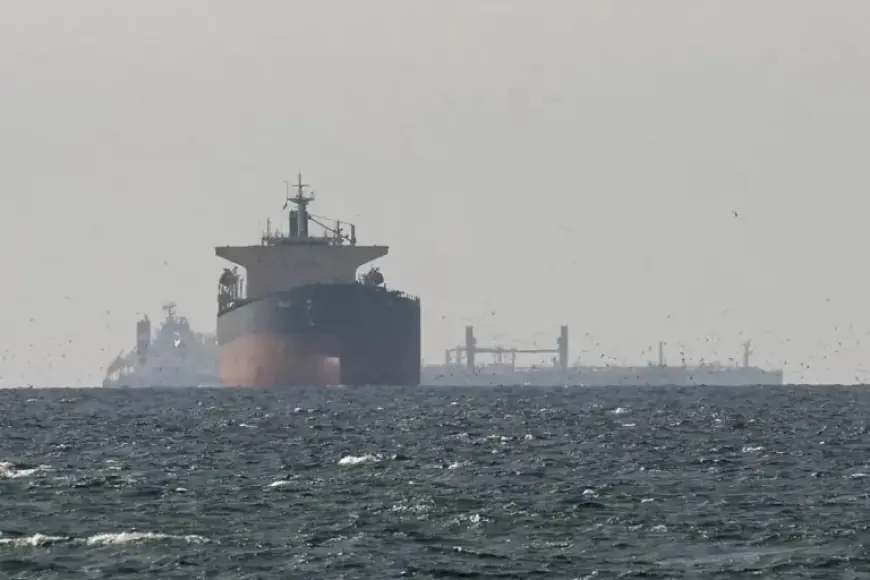
Maritime intelligence shows traffic through the Strait of Hormuz has plunged. Windward AI recorded only 16 AIS-visible crossings in the last seven days. Many vessels are rerouting through Iran’s territorial waters.
The International Energy Agency says global oil supply has lost about 11 million barrels a day. IEA chief Fatih Birol warned the disruption is larger than the 1970s shocks. The IEA is consulting governments in Asia and Europe about further stock releases.
Market reactions
Goldman Sachs raised its 2026 Brent forecast to $85 a barrel from $77. The bank now expects Brent to average $110 in March and April. In a severe scenario, Goldman said oil could reach $135 per barrel.
Gas prices at the pump have climbed sharply. GasBuddy analyst Patrick de Haan warned national averages could hit $4 per gallon soon. The U.S. average stood at about $3.91 after a near-dollar rise since late February.
Political moves and threats
President Donald Trump set a 48-hour deadline for Iran to reopen the Strait of Hormuz. U.S. officials threatened strikes on Iranian power plants if Tehran did not comply. Iran has warned it could retaliate by targeting energy and water infrastructure, including desalination facilities.
Iranian lawmaker Alaeddin Boroujerdi told state media Tehran may charge as much as $2 million to some tankers to transit the strait. The move was described as a new method to control the waterway.
Coverage has emphasized that Iran warns it may close the Strait of Hormuz as President Trump’s deadline approaches. Diplomatic efforts continue amid the growing risk to global trade.
Public opinion and wider risks
A CBS News and YouGov poll between March 17 and March 20 found growing confusion among Americans. About 68 percent of 3,300 respondents said the administration had not clearly explained its goals. That figure is six percentage points higher than an earlier survey in early March.
Fatih Birol also warned of wider economic damage. He noted at least 40 energy assets in the region were severely damaged. The IEA says stock releases will ease market pain but will not solve the underlying supply disruption.
Filmogaz.com will continue to monitor developments and update readers as new information becomes available.










![Gold Prices Today: [Month] [Day], [Year] Update](https://www.filmogaz.com/uploads/images/202603/image_140x98_69c0e4f51169c.webp)