

























Trump Waives Jones Act to Boost U.S. Oil Flow for 60 Days

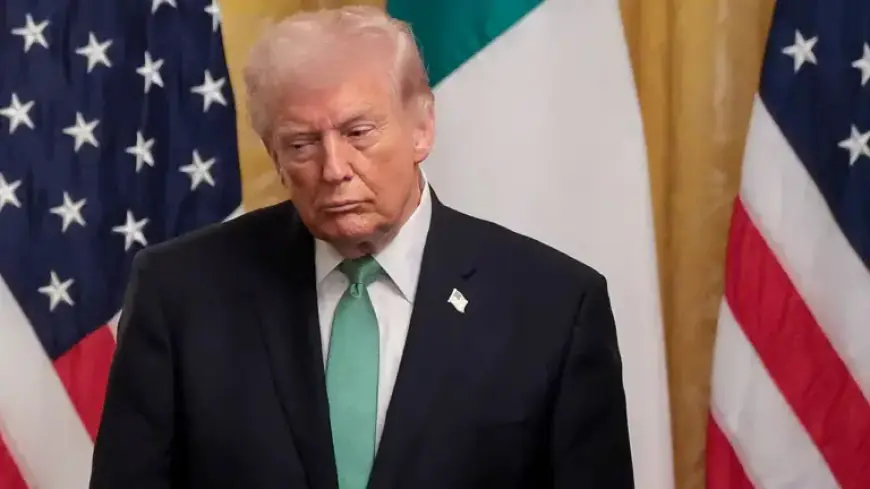
The White House announced a temporary change to U.S. shipping rules to ease energy deliveries. The administration said the move aims to reduce short-term disruptions to the fuel market.
Scope of the waiver
The president has waived the Jones Act for 60 days to help boost U.S. oil flow. The order relaxes the long-standing requirement that only U.S.-built, -owned, and -crewed vessels move cargo between domestic ports.
- The Jones Act normally requires at least 75% of a vessel’s crew be U.S. citizens.
- It also mandates ships be constructed and owned in the United States.
Administration rationale
White House press secretary Karoline Leavitt said the waiver addresses immediate supply chain pressure. She framed the step as temporary while U.S. forces carry out Operation Epic Fury.
The statement listed oil, natural gas, fertilizer, and coal among resources that would move more freely. The administration emphasized a commitment to stronger supply chains.
Security and regional context
Maritime security in the Gulf has deteriorated amid conflict with Iran. Tehran’s actions have effectively sealed the Strait of Hormuz at times.
About one-fifth of global oil transits that chokepoint. Disruptions there helped push oil prices above $100 per barrel.
Military actions and diplomacy
U.S. strikes have targeted Iranian anti-ship missile positions near the strait. Washington has urged allies to help secure shipping lanes, with limited participation so far.
The president posted comments on social media criticizing some allied responses. He suggested regional burden-sharing if necessary.
Industry reaction and legal concerns
Supporters of the Jones Act argue the statute strengthens national security and preserves the shipbuilding industry. They say the law prevents foreign control of crucial domestic routes.
Critics call the law outdated. They argue it raises costs and reduces competitiveness in American shipbuilding and domestic shipping.
The American Maritime Partnership told Filmogaz.com it fears the broad, short-term waiver could displace U.S. workers. The group demanded that every vessel movement under the waiver be publicly disclosed and legally justified.
It also said the waiver is unlikely to lower gasoline prices significantly. The partnership estimated domestic shipping’s maximum effect on retail gasoline at under one penny per gallon.
Precedent and timing
Temporary waivers have occurred after major hurricanes. Officials granted similar relief after Hurricane Katrina in 2005 and Hurricanes Harvey and Irma in 2017.
Market watchers, including Mainstay Capital Management chief investment strategist David Kudla, discussed how the Middle East conflict affects oil prices. He spoke about investment implications on The Claman Countdown.
Outlook
The 60-day relief aims to move more fuel into U.S. ports while military operations continue. Policymakers and industry groups say they will monitor compliance closely.
How much the waiver will ease prices or supply depends on Gulf security and allied cooperation. Officials say they will reassess conditions as needed.