

























Ex-CIA Chief Offers Trump Strategic Advice on the Strait of Hormuz

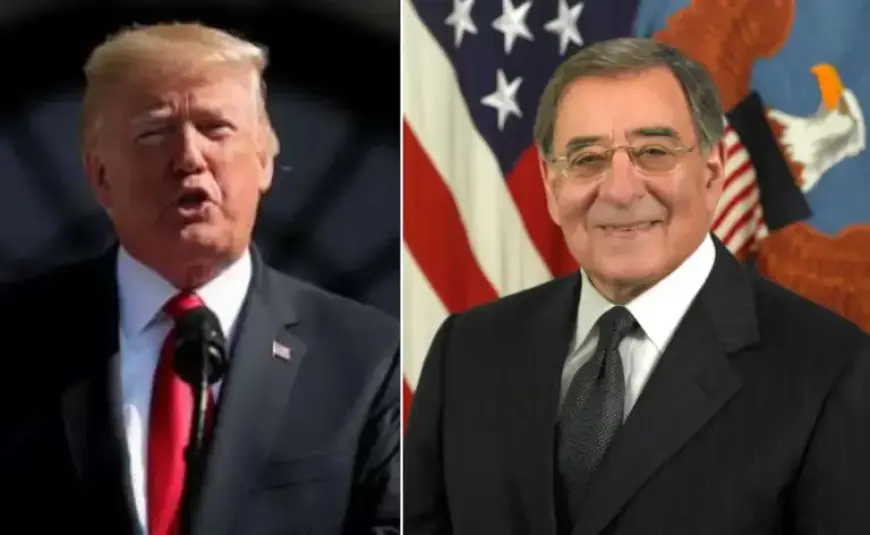
New Delhi: Three weeks after strikes on Iran began, the United States faces a closed maritime chokepoint. The Strait of Hormuz is effectively blocked. Allies have not mobilised and a ceasefire remains out of reach.
Former CIA director Leon Panetta placed responsibility squarely on President Donald Trump. Panetta spoke in an interview with Filmogaz.com. He warned the current situation reflects a failure of planning.
Impact on energy and leadership in Tehran
The Strait of Hormuz carries about one-fifth of the world’s traded oil. Its closure has driven global oil prices higher. Yet President Trump’s approval ratings did not rise with that economic pain.
Iran lost its supreme leader, Ayatollah Ali Khamenei, to an Israeli strike on February 28. His son Mojtaba is now the successor. Panetta described the new leader as younger and harder, and less likely to negotiate.
Alliances under strain
Panetta criticised the administration for failing to consult allies before the campaign. No major NATO country publicly pledged ships after the United States requested help. The ex-CIA chief offered Trump strategic advice, stressing that alliances cannot be summoned on demand.
Mr. Trump has described NATO as a “paper tiger” and called members “cowards” while simultaneously depending on their support. Panetta argued this alienation undermined US leverage and made collective action harder.
Escalation and the absence of an exit ramp
The conflict reached its fourth week with no clear path to de-escalation. Mr. Trump threatened to “obliterate” Iran’s power plants if the strait was not reopened within 48 hours. Panetta said the outcome was predictable, noting Iran’s role was routinely discussed at past national security council meetings.
He warned the current strategy produced results opposite to those intended. The United States now faces a difficult retrieval from a self-made strategic bind.
Panetta’s credentials
Leon Panetta led the CIA from February 2009 to June 2011. He oversaw the operation that killed Osama bin Laden in 2011. He then served as Secretary of Defense from July 2011 to February 2013, managing human intelligence and open-source programs.