Sombr Halts Concert Over Safety: Are UK Events Truly Risky?

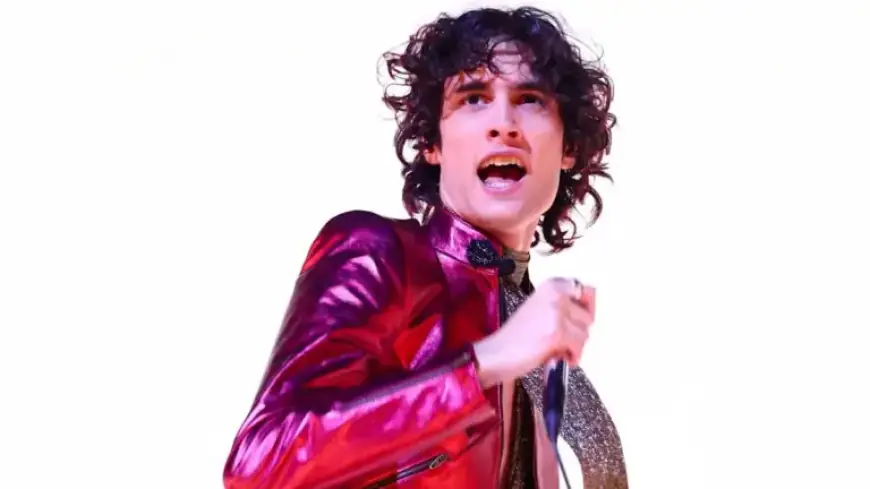
US singer-songwriter Sombr stopped a sold-out show at Brixton Academy last week. He intervened after seeing a fan collapse near the stage.
What happened at Brixton Academy
Sombr flagged the incident to security and demanded action. He later criticised the venue’s response as slow and unsafe.
The Academy Group said CCTV showed staff and a medic reached the fan within a minute. By then, the person was responsive and standing. No injuries were reported.
Local authorities and venue review
Lambeth Council is liaising with the Metropolitan Police to decide any follow-up. The council suspended the venue’s licence after a 2022 crowd crush.
The 2022 incident outside Brixton caused two deaths and prompted licence action. The Academy Group completed an internal review of Sombr’s three-night residency.
Artists stepping in over safety
Sombr’s actions are part of a wider trend. Musicians now interrupt shows when they see audience distress.
High-profile examples from 2022 include Billie Eilish and Harry Styles. Other performers who have paused shows include Taylor Swift, Adele, Lady Gaga, and A$AP Rocky.
Why performers act
The 2021 Astroworld tragedy heightened artist concern about crowd safety. Ten people died at that Houston festival after severe overcrowding.
Investigations criticised the lack of clear communication and decision-making. Since then, artists more often choose to halt performances.
Crowd behaviour and expert views
Professor John Drury, a crowd psychologist at the University of Sussex, warns against pitting fans against staff. He argues cooperation between audience and safety teams is essential.
Anne Marie Chebib, chair of the UK Crowd Management Association, says post-pandemic crowds can be more volatile. She notes greater impatience and loss of shared crowd rhythm.
Historical incidents that shaped policy
Deadly crowd events have driven major safety reforms. A 1974 stampede at a David Cassidy concert injured around 500 people and resulted in a teenager’s death.
Two people died after a 1988 crowd collapse at the Monsters of Rock festival. Those tragedies helped create national safety guidance.
The Purple Guide and industry standards
The Purple Guide now provides detailed event safety rules. It covers site layout, barriers, and emergency planning.
Steve Allen, founder of Crowd Safety, credits the guide for improving UK event safety. He has worked security for Oasis, Eminem, Shakira, and others.
The show-stop procedure
In the 1990s, Steve Allen developed a formal show-stop procedure. It sets a clear chain of command to pause a performance when lives are at risk.
The method was used during Oasis tours and a 2005 incident at Manchester City Stadium. Stopping the show allowed staff to repair barriers and check fan welfare.
Allen says the procedure has been deployed about 32 times. Its wider adoption increased after the Astroworld inquiry and new training schemes.
Training and legal changes
The Pink Bows Foundation, formed after an Astroworld victim died, now promotes the show-stop procedure. The charity’s work focuses on clear communication and rehearsed responses.
Event organisers who adopt the plan say response times drop from minutes to seconds. Martyn’s Law will also require planning for terror risks from April 2027.
How risky are UK events?
Overall, attending concerts in the UK remains relatively low risk. Medical data from Glastonbury 2022 shows most problems were sprains, blisters, and stomach issues.
Serious crowd collapses are rare but devastating. Authorities and the industry keep updating safeguards to prevent repeats.
Conclusion
Sombr halting his show over safety has reignited public debate. It highlights tensions between performers, safety teams, and venue operators.
Artists can spot dangers early, but collaboration is vital. Strong procedures, training, and communication remain the best tools to protect fans at UK events.