NASA’s Artemis II Moon Rocket Returns to Launch Pad After Wind Delay

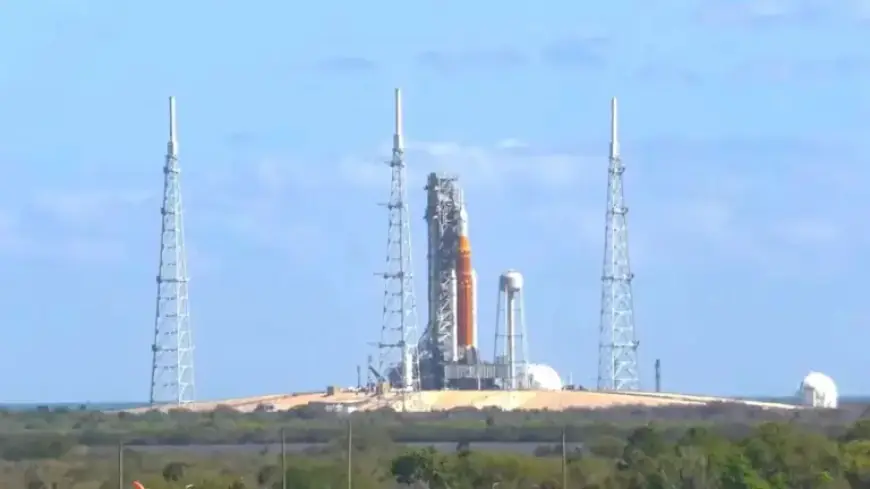
NASA rolled the Artemis II moon rocket back onto Launch Pad 39B early Friday. The slow, 4-mile transfer took just over 11 hours. The move followed a wind delay and recent repairs in the Vehicle Assembly Building.
Rollout timeline and pace
Operations began at 12:20 a.m. ET Friday after winds delayed the planned Thursday evening start. The crawler-transporter 2 reached the pad at 11:21 a.m. ET, completing the 4-mile trek in about 11 hours and one minute.
The vehicle moved at roughly 0.82 mph (1.32 kph). The rocket now sits at its temporary home, ready for final checks ahead of the launch window.
Why the rocket returned to the VAB
Engineers rolled the 322-foot (98.27-meter) stack back to the Vehicle Assembly Building on Feb. 25. A helium flow issue traced to a faulty seal prompted the rollback for repairs.
Technicians replaced the seal and performed additional inspections before approving the return to the launch pad.
Repairs and system refresh
While inside the VAB, teams refreshed and retested multiple systems. They installed new flight termination system batteries and swapped other batteries on the upper stage, core stage, and boosters.
Technicians also charged Orion’s launch abort system batteries. They replaced a seal on the core stage liquid oxygen feed line and reassembled the oxygen tail service mast umbilical plate.
Crew and mission overview
The Artemis II flight will carry four crew members on a lunar flyby. The crew includes Cmdr. Gregory Reid Wiseman, pilot Victor Glover, mission specialist Christina Koch, and Canadian Space Agency astronaut Jeremy Hansen.
The mission will use the Space Launch System and the Orion capsule for a crewed trip around the Moon.
Schedule and readiness
NASA officials said the rocket was in good shape during a March 12 press briefing. They indicated no further SLS or Orion tests would be required before launch attempts.
Agency planners have identified Wednesday, April 1, as the earliest possible launch attempt. Teams will continue prelaunch preparations at Kennedy Space Center.
- Distance rolled: ~4 miles
- Duration: ~11 hours, 1 minute
- Top speed during rollout: 0.82 mph (1.32 kph)
- Rocket height: 322 feet (98.27 meters)
- Launch pad: 39B, Kennedy Space Center
Filmogaz.com will continue to follow developments as NASA advances the Artemis II campaign. The effort combines careful hardware checks with careful scheduling after the wind delay and recent repairs.