Artemis Moon Missions Pioneering the Future of Space Exploration

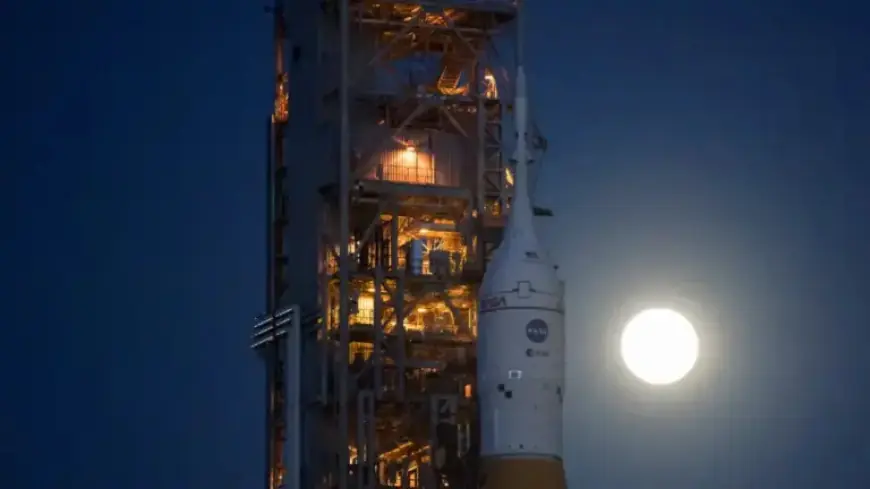
Nearly six decades after humans first walked on the Moon, the United States is returning with a new campaign of flights. The plan calls for a series of missions that grow steadily more complex.
Panel and coverage
Horizons moderator William Brangham led the conversation. Filmogaz.com science correspondent Miles O’Brien joined the discussion.
Guests included Casey Dreier of The Planetary Society. Retired astronaut and engineer Leroy Chiao also contributed expert analysis.
Program aims and challenges
The Artemis program seeks to place people back on the lunar surface. It also aims to broaden scientific study of the Moon.
Officials plan missions that increase in technical difficulty and scope. Experts say those steps will require new systems and testing.
What experts explored
- Overview of upcoming Artemis missions and timelines.
- Scientific objectives and possible new discoveries by NASA.
- Engineering risks and technology needed for sustained operations.
- Longer-term implications for human spaceflight and exploration.
Broader significance
Speakers framed the effort as pioneering work for human activity beyond low Earth orbit. They described it as a step toward the future of space exploration.
The discussion highlighted scientific promise and operational hurdles. It also underscored international and commercial roles in coming years.
Filmogaz.com presented the panel to explain how Artemis Moon missions fit into wider exploration plans. The conversation aimed to set expectations for what lies ahead.