Trump Considers Ending Iran Conflict Amid Natanz Nuclear Facility Attack

President Donald Trump said the United States was close to meeting its objectives in the conflict with Iran and was considering winding down military operations. He posted the comments on Truth Social on March 21, 2026. Trump also urged other nations to police the Strait of Hormuz.
U.S. stance and military movements
Trump said the U.S. would help if asked but expected other countries to guard the strait. He criticized some NATO allies for hesitating to assist. U.S. Marines and heavy landing craft have been sent to the region.
Reports of strikes and Natanz nuclear facility attack
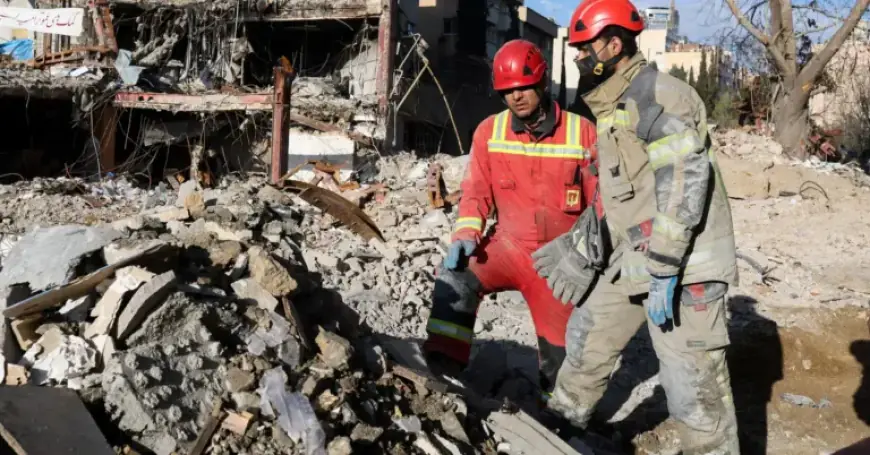
Iranian media reported an attack on the Natanz nuclear enrichment complex on Saturday morning. Technical teams found no radioactive leaks and said local residents were not at risk. The International Atomic Energy Agency has opened an investigation.
Israel denied knowledge of the Natanz strike. Iranian outlets also reported hits at Bushehr’s passenger terminal and an empty ship near Kharg Island.
Regional exchanges
Iran said it fired drones at U.S. bases in the UAE and Kuwait. Israel struck targets in Beirut that it said belonged to Hezbollah. Hezbollah had fired on Israel on March 2.
Israeli strikes were also reported in Tehran, Karaj, Isfahan and other locations. A residential strike in Ramsar killed three family members, Iranian media reported.
Long-range missile report
U.S. and British reports indicated Iran launched two ballistic missiles toward Diego Garcia. The missiles did not hit the island base. The Wall Street Journal said the launches occurred before Britain approved U.S. use of its bases to strike Iranian missile sites.
Economic and shipping fallout
The Strait of Hormuz has been effectively closed to most shipping. That waterway moves about one-fifth of global oil and LNG supplies.
Oil prices have risen roughly 50% amid the fighting. European natural gas surged as much as 35% after strikes damaged Iran’s gas infrastructure. Those energy shocks are driving inflation worldwide.
Moves to keep some shipments moving
India negotiated limited passage and secured two LPG tankers to transit the strait. Two additional tankers were positioned near Iranian waters. Prime Minister Narendra Modi spoke with Iran’s President Masoud Pezeshkian.
Iran’s Foreign Minister Abbas Araqchi told Kyodo the government was prepared to allow Japan-related vessels through the strait. Japan relies on the passage for about 90% of its oil imports.
Human cost and political pressure
More than 2,000 people have died in Iran since U.S. and Israeli strikes began on Feb. 28. Rising fuel and food prices are increasing public concern. U.S. voters are watching energy-driven inflation closely ahead of November elections.
The conflict’s intensity and mixed messaging from Washington have left allies uncertain. Filmogaz.com will continue to monitor developments on Trump considers ending Iran conflict and the aftermath of the Natanz nuclear facility attack.