Southern University System Requests $19 Million in One-Time Legislative Funding

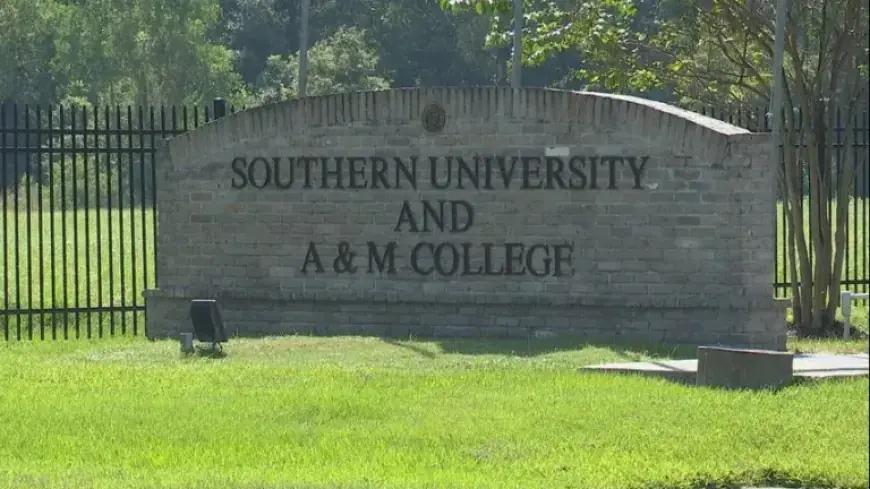
Baton Rouge — Interim Southern University System President Orlando McMeans has asked state lawmakers to approve a one-time $19 million legislative allocation. He framed the request as a step toward correcting decades of unequal state support.
Request and proposed uses
McMeans said the funds would target campus safety, technology, and enrollment efforts. He listed security cameras, improved lighting, and updated IT systems.
The money would also support recruiting students who qualify for TOPS scholarships. Research labs would get secure keycard access to meet federal grant rules.
Historic funding gap
Federal review found a $1.2 billion shortfall for Southern compared with LSU dating back to the 1980s. The gap reflects unequal state matching of federal land-grant benefits.
Southern and LSU are both land-grant institutions founded in the 19th century. They were created to emphasize agriculture, science, engineering, and military science.
Context from the White House
The disparity gained attention in 2023 after a White House letter to 16 governors. The letter highlighted states that underfunded their Black land-grant institutions.
Voices calling for action
Former Southern President Dennis Shields and former LSU President William Tate urged the legislature to address the imbalance. McMeans described the university as long underfunded in comparison.
Commissioner of Higher Education Kim Hunter Reed said higher education funding has lagged inflation. She estimated a roughly $850 million shortfall over ten years if funding had kept pace.
Lawmakers’ response
Senate President Cameron Henry said the state lacks large, one-time sums at present. He acknowledged the request might be justified but difficult to fulfill this session.
Broader implications
Leaders say Louisiana’s colleges and universities face systemic underfunding. Rising inflation and largely frozen state spending have strained budgets.
Southern’s proposal links to those systemwide pressures. The system is requesting targeted, one-time legislative funding to begin closing the gap.