Cherry Healey Shares Her Perimenopause Experience at 41

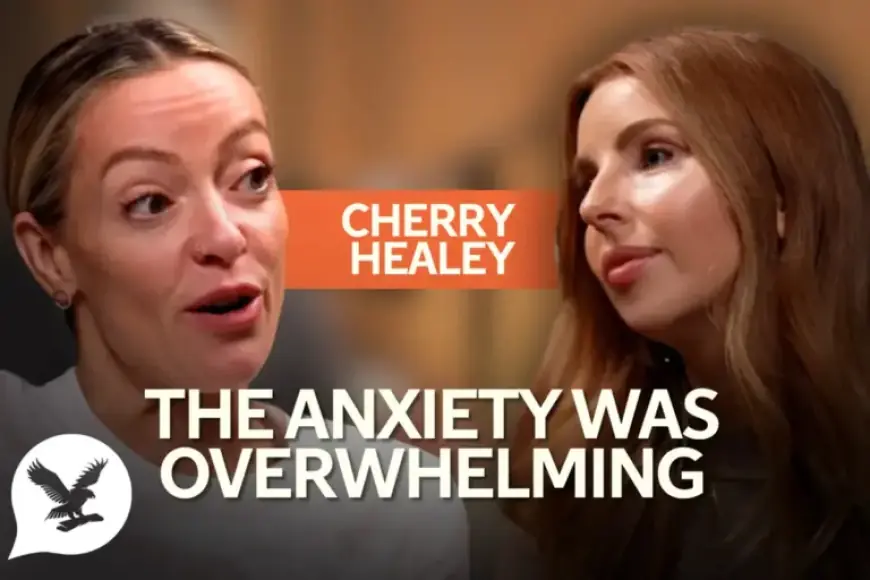
Television presenter Cherry Healey has described a harrowing perimenopause episode that began when she was 40. Her symptoms included severe anxiety and frequent heart palpitations.
Symptoms and early response
The physical and emotional symptoms were intense. She almost sought antidepressants before identifying a hormonal cause.
Healey says the episode forced her to reassess how women are treated in midlife. She calls for better awareness among clinicians.
Misdiagnosis in women in their forties
On the Well Enough podcast with Emma Barnett, Healey discussed a wider misdiagnosis problem. Many women in their forties are given the wrong treatment due to symptom confusion.
She warns that mental health symptoms can mask hormonal changes. The result is delayed correct diagnosis and inadequate care.
Link between estrogen loss and infections
Healey highlighted how falling estrogen levels can increase the risk of urinary tract infections. She connected those changes directly to her own health crisis.
A UTI developed into a life-threatening sepsis scare for her. The incident underlined the seriousness of hormonal shifts during perimenopause.
Perimenopause as the central phase
She argued that perimenopause is “the main event,” not menopause itself. The transition phase can bring the most disruptive symptoms.
Her comments aim to shift public and medical focus onto earlier stages of hormonal change. Early recognition could prevent severe outcomes.
Where to hear her account
The full interview appears on Well Enough with Emma Barnett. Episodes are available on Spotify and Apple Podcasts.
Search interest has risen in phrases like “Cherry Healey perimenopause 41” as listeners seek firsthand experiences. The conversation is part of a growing public discussion.
Implications for care
Healey’s story highlights gaps in diagnosis and treatment for midlife women. Clinicians and patients need clearer guidance on hormonal symptoms.
She calls for better education for both doctors and the public. Timely hormone-related assessment could reduce dangerous complications.