New York Governor Seeks to Delay Critical Part of Climate Law

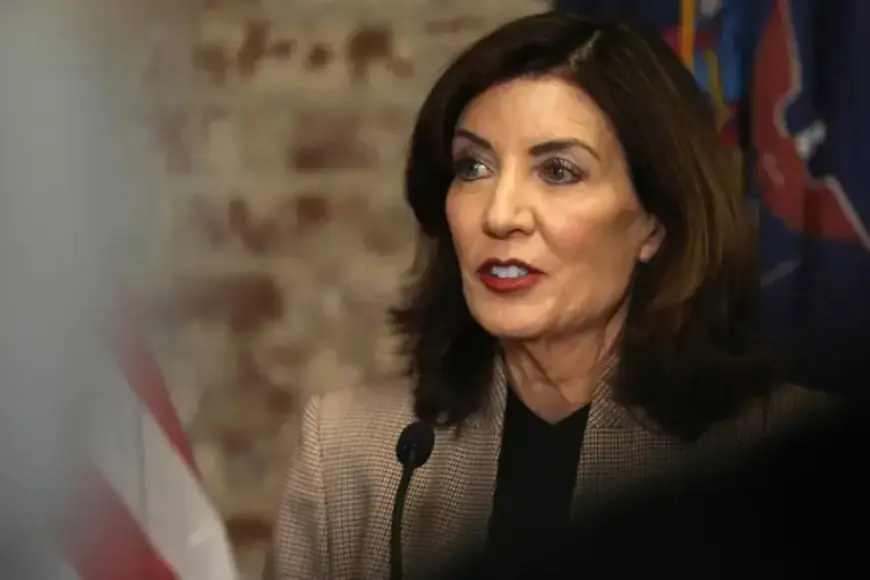
New York Governor Kathy Hochul announced plans to scale back parts of the state’s Climate Act. She wants to remove enforcement of the 2030 emissions target and replace it with a 2040 goal. The 2050 reduction target would remain unchanged.
What the proposal would change
The Climate Act uses 1990 as its baseline. It aims for a 40 percent emissions cut by 2030 and an 85 percent cut by 2050. Hochul now proposes delaying the 2030 mandate and postponing regulation implementation until the end of 2030.
Under the proposal, enforcement tied to the earlier target would be removed. That shift would delay financial incentives and regulatory pressure on emitters by several years.
Regulatory mechanics and the DEC
The Climate Act sets targets but not the methods to meet them. The Department of Environmental Conservation is responsible for writing the implementing regulations. Officials had drafted a cap-and-invest system requiring polluters to buy emissions allowances.
Revenue from allowance sales was planned for bill rebates and investments in emission reduction projects. Building electrification was listed as a priority for reinvestment.
Legal fight over the agency plan
Environmental groups sued the governor for not releasing the DEC plan by the January 2024 deadline. Plaintiffs argued the absence of public regulations violated the statute. A judge ruled against the state but allowed an appeal.
Voices from advocacy groups
Ethan Gormley of Citizen Action of New York urged release of the rules. He called for a policy that protects household budgets and expands renewables. Anshul Gupta of New Yorkers for Clean Power called the proposal a gift to the fossil fuel industry.
Lawmakers respond
State Sen. Kristen Gonzalez opposes changes and warned the governor wields budget leverage. Gonzalez represents parts of east Manhattan, Queens, and north Brooklyn. She argued that investing in renewable energy would lower long-term costs.
Scientific and technical debate
Members of the Climate Action Council designed the plan released at the end of 2022. Robert Howarth, a Cornell ecology professor and council member, said the goals were achievable then. He added the state has not adequately addressed emissions from buildings.
Howarth and other scientists urged removing fossil fuels from homes and expanding heat-pump deployment. Hochul’s op-ed also suggested changing how the state calculates warming impacts. Critics warned that shifting the calculation would reduce emphasis on methane’s near-term harm.
Political and fiscal context
Hochul cited post-COVID inflation and supply-chain problems in defense of her proposal. She also pointed to federal obstacles to renewable energy. The state energy authority released a memo in February saying utility costs could rise if targets were met.
The proposal arrived as budget talks began with the Legislature. Any delay in regulations would likely remove price incentives for polluters for at least four years.
Implications
Advocates say the changes would slow the state’s transition from fossil fuels. Supporters of the original plan say delayed action risks higher emissions and costs. New York’s governor seeks to delay a critical part of the Climate Act, they warn.
Filmogaz.com will follow developments as lawmakers and courts respond to the governor’s proposal.