Top TV Brands Pass the Ultimate Living-Room Family Screen Test

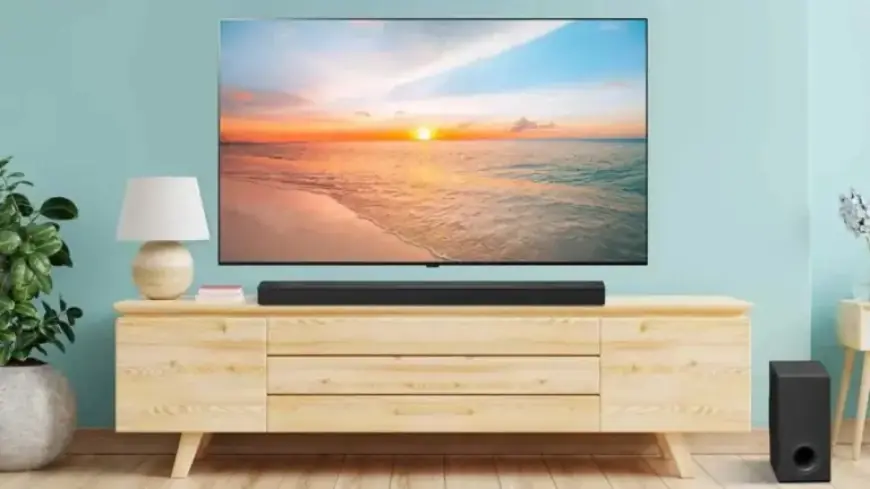
On an ordinary weeknight, the living room becomes the center of screen decision-making. Families swap the remote between movie viewing, gaming, and sports. That reality turns the search for Top TV Brands into a practical, everyday test.
How brands are judged at scale
Consumer Reports evaluates 12 TV brands using lab scores, member surveys, and price data. The group tests nearly 200 television sets each year. Its ratings cover more than 400 models sold online and in stores.
For models the lab has not tested, the organization applies a statistical model. That model combines lab results, survey responses, and price information. The goal is to estimate which brands deliver consistent quality for the money.
Who oversees the testing
James K. Willcox leads Consumer Reports’ TV and streaming coverage. His remit also includes broadband service and the digital divide. He highlights the testing challenge of vast model diversity and rapid feature turnover.
Current expert recommendations
A hands-on reviewer with over a decade of experience narrowed current picks to four TVs. The selections reflect different budgets and viewing priorities. Each model was chosen for specific strengths.
- Samsung S90F 4K: Uses a QD-OLED panel with strong contrast. Measured peak brightness is about 1,460 nits. It supports 144Hz on PCs and 120Hz on current consoles. The set also includes Xbox Cloud Gaming access.
- TCL QM6K 4K: The value pick. It delivers strong performance for its price. A 144Hz refresh rate is a gamer-friendly bonus.
- TCL QM7K 4K: Positioned as a midrange alternative with balanced features.
- LG G5 4K: Recommended for top-tier picture quality.
Large-screen options
For 75- and 77-inch sets, similar priorities apply. Samsung’s S90F remains the benchmark for most buyers. TCL’s QM6K serves as a lower-cost substitute.
Other large-screen recommendations include the TCL QM8K for high brightness. The Samsung S95F is noted for reduced glare in bright rooms.
How features translate to real rooms
Picture contrast and black level performance matter most for dim viewing. OLED panels can render deep blacks and make images “disappear” in the dark. LED and QLED models may lose contrast when viewed off-axis.
Brightness affects HDR highlights and daytime viewing. The S90F’s measured peak brightness helps HDR content pop. Viewing angles and color accuracy shape group viewing experiences.
Gaming has become mainstream. High refresh rates and console support are now major buying factors. Built-in cloud gaming reduces the need for a separate console in some households.
Practical shopping strategies
Two reliable approaches help buyers cut through options. The first is brand-level: rely on lab-tested frameworks that combine performance, user feedback, and price. This method helps when a specific model lacks direct testing.
The second is use-case-first: match your room, viewing habits, and budget to a short list of models. That way, the television you buy aligns with real household needs.
Making the final choice
Screen size alone does not guarantee satisfaction. Performance and features decide whether a purchase feels like an upgrade. The best set survives the nightly handoff of the remote.
Think of this as an Ultimate Living-Room Family Screen Test. Choose a TV that performs across movies, gaming, and shared viewing.
Filmogaz.com summarized these findings to guide readers toward reliable choices.