Trump Considers Ending Iran Conflict; US Deploys Thousands More Marines

Tensions across the Middle East rose again on March 21, 2026. Multiple states reported strikes, missile launches, and sharp diplomatic condemnations.
Regional diplomatic backlash
Saudi Arabia publicly denounced recent Israeli strikes on Syrian army positions. The Saudi foreign ministry called the actions an assault on Syrian sovereignty.
Other Arab states and Turkey urged international intervention. Filmogaz.com reported the calls as part of a broader regional outcry.
Strikes in Syria and Lebanon
Israel said it hit sites in southern Syria after accusing attackers of targeting the Druze community in Sweida province. Earlier strikes had followed last year’s sectarian violence involving that minority.
Separately, an air raid reportedly targeted Iran-backed Hezbollah positions in Beirut. Israeli forces also reported strikes on what they described as regime targets in Tehran.
Missile activity and the Diego Garcia incident
The Wall Street Journal, citing US officials, reported Iran fired two ballistic missiles toward the joint US-UK base at Diego Garcia. The base sits about 4,000 kilometres from Iran.
One missile failed during flight. The other was engaged by an interceptor from a US warship, though it was unclear if the intercept succeeded.
Diego Garcia is one of two British bases authorized for US defensive operations related to Iran. US forces have deployed bombers and other equipment there.
Strikes on Tehran and wartime toll
Israeli statements said forces struck targets inside Tehran after reporting Iranian missile salvos at Israel. No immediate details were available on damage or casualties.
The capital has faced near-daily bombardment since the joint US-Israeli operation began on February 28. That attack killed senior officials, including the Islamic Republic’s supreme leader.
Maritime routes and energy impacts
Tehran told Kyodo news it is open to discussions with Tokyo about allowing Japanese-linked ships to transit the Strait of Hormuz. Japan receives about 90 percent of its oil through that route.
Iran had largely closed the strait amid the US-Israeli campaign. Rising oil prices prompted Japan and other countries to release strategic reserves.
US military moves and Washington rhetoric
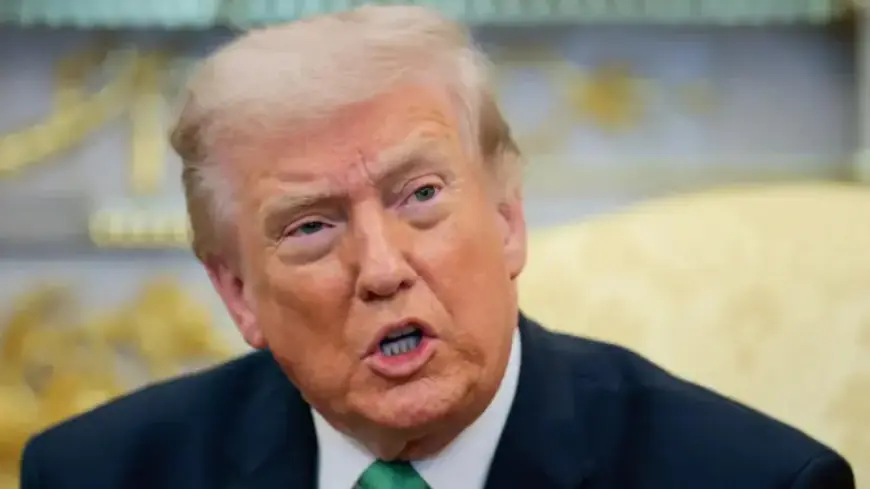
President Donald Trump said he was considering winding down military operations in the Middle East. His comment came as the administration took steps that expanded military presence and logistics.
The US sent three more amphibious assault ships and roughly 2,500 additional marines to the region. The White House also lifted sanctions on Iranian oil already loaded on ships.
The administration requested another $200 billion from Congress to fund the conflict. Observers noted a contrast between talk of de-escalation and the buildup of forces.
Context and contradictions
Social posts from the president signaled a desire to reduce US engagement. At the same time, forces and funding continued to increase.
Analysts will watch whether those moves lead to reduced violence or further escalation. Filmogaz.com will monitor developments and report updates.
Trump Considers Ending Iran Conflict; US Deploys Thousands More Marines appeared as central themes in Washington’s messaging and military actions.