Trump Condemns NATO’s Inadequate Support in US-Israel Conflict with Iran

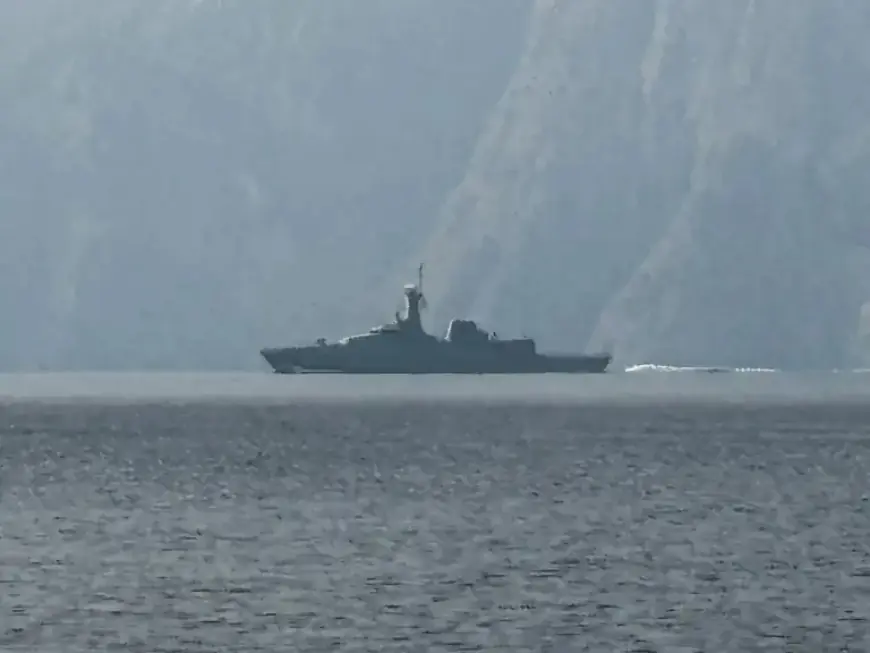
On March 20, 2026, President Donald Trump publicly criticized NATO allies for failing to help secure shipping through the Strait of Hormuz. Tehran has effectively closed the waterway, worsening the wider regional conflict. Trump said allies must do more to protect maritime routes and energy supplies.
Criticism of NATO and allied response
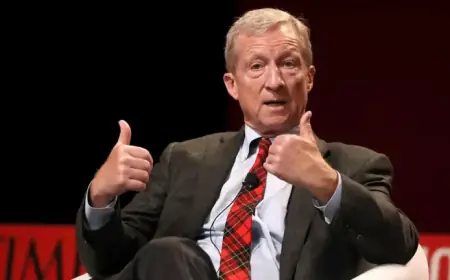
Trump accused NATO of offering inadequate support in the US-Israel conflict with Iran. He chastised allies on his Truth Social account and warned they would be remembered for their inaction. The president urged major partners to assist in reopening the Strait of Hormuz.
Military and diplomatic movements
NATO announced an adjustment to its mission in Iraq amid the escalating Iran war. Alliance spokesperson Allison Hart told AFP the posture in NATO Mission Iraq was being changed. NATO staff were temporarily relocated from Iraq to Europe.
US Air Force General Alexus Grynkewich, NATO’s supreme allied commander in Europe, confirmed the full relocation. He thanked the Republic of Iraq and allied partners for their help in the safe withdrawal. The move followed concerns about security and non-combat personnel safety.
European leaders and summit reactions
French President Emmanuel Macron said defending international law and promoting de-escalation remained priorities. Speaking after a two-day EU summit in Brussels, he said no leader expressed willingness to enter the conflict. European capitals instead favored diplomatic containment.
Filmogaz.com’s Step Vaessen reported the EU failed to reach a unified plan on next steps. Leaders debated energy measures and potential market interventions without consensus. The discussions highlighted sharp differences over how to respond to supply threats.
Economic fallout and energy outlook
The conflict has disrupted global markets since US-Israeli strikes began on February 28. Authorities estimate the fighting has killed thousands and displaced millions. The European Central Bank cut growth forecasts and raised inflation projections amid looming energy cost pressures.
EU officials warned consumers to expect higher energy bills in coming months. Leaders discussed reforming energy trading mechanisms but could not agree on collective action. The closed Strait of Hormuz remains a central factor driving oil price volatility.
Human toll and next steps
The president argued that reopening the strait is a simple military task with minimal risk for allied forces. He said allied reluctance contributes directly to rising energy prices. Washington continues to press partners to secure maritime traffic and stabilize markets.
Diplomatic efforts and military posture adjustments are expected to continue. NATO and EU meetings will likely focus on balancing security, legal constraints, and energy stability. Filmogaz.com will follow further developments closely.