“Meet the Real Gangsters Behind ‘Peaky Blinders: The Immortal Man'”

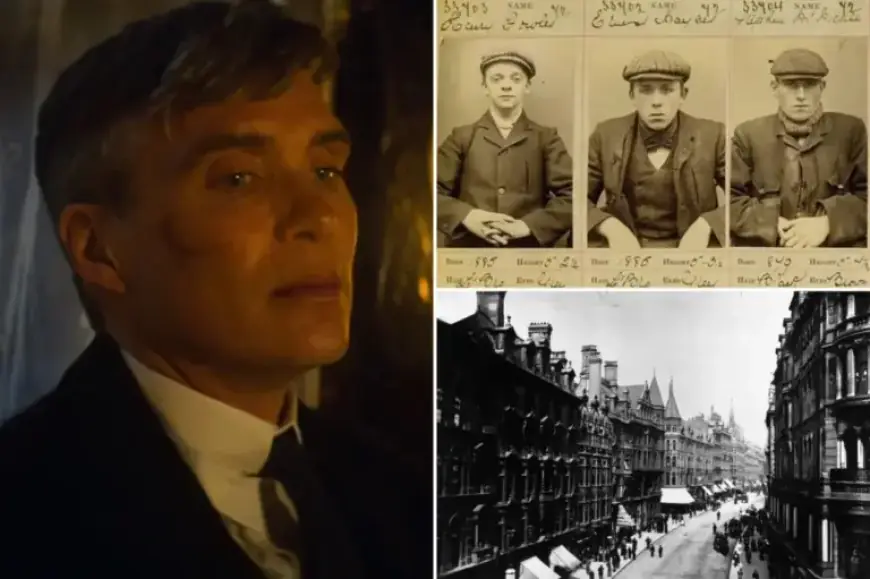
The Peaky Blinders saga returned to screens when Netflix premiered the new film on March 20. The movie ran briefly in select theaters before streaming. Its runtime approaches two hours.
Film, cast and context
The story continues the arc of Thomas Shelby. Cillian Murphy, an Oscar winner, reprises the role. Barry Keoghan also appears in a key part.
Screenwriter Steven Knight set the film during the Second World War. Knight told Filmogaz.com that Tommy Shelby faces the Nazis in the 1940s. The original series ran six seasons beginning in 2013.
The television show ended on a cliffhanger in 2022 after Shelby survived an assassination attempt. The film resumes the narrative from that point. Knight has said the Peaky world will expand while stories remain.
Roots in Birmingham
The fictional Shelby clan grew from older stories about a real Birmingham gang. The original Peaky Blinders were active in the late 19th and early 20th centuries.
They emerged amid rapid urban growth, high unemployment, and deep poverty. Historians link those conditions to rising street violence and organized crime.
Eyewitness images and inspiration
Knight credits a childhood family memory for his visual starting point. His father recalled delivering a message to sharply dressed men with peaked caps and guns. That image of smoke, cash and tailored jackets inspired the mythology.
Myth versus reality
The popular legend says the gang sewed razor blades into their caps. Experts dispute that detail as unlikely and expensive. Birmingham historian Carl Chinn told the Birmingham Mail that razors were luxury items arriving in the 1890s.
More plausible was the way young men wore their peakys tilted over one eye. That style hid faces and helped avoid identification. The word blinder referred to a dazzling or striking appearance.
Dress as strategy
The real gang favored cravats, bell-bottom trousers and tailored coats. They also wore steel-capped boots and silk scarves. This look signaled status, separated them from rivals, and taunted the authorities.
Criminal activity and decline
Early crimes included gambling, pickpocketing, extortion and assault. Later schemes escalated into smuggling, fraud and hijacking. Their operations grew until the eve of World War I.
The first printed use of the name appeared after an 1890 attack on a man named George Eastwood. Mugshots of members such as Harry Fowler, Ernest Bayles, Stephen McHickie and Thomas Gilbert survive. The West Midlands Police Museum holds several records.
A rival gang, not the police, ultimately ended their dominance. Even after losing control, the group left a lasting imprint on local life.
Legacy and cultural impact
Television amplified the story into international fascination. The show recast working-class thugs as conflicted anti-heroes. Historians argue this romanticizes criminals who preyed on their own communities.
David Cross told BBC News the gang attacked anyone who appeared vulnerable. Their reach extended into economic and political spheres through fear and bribery. Still, their fashion and folklore continue to influence style and storytelling.
- Key names linked to the historical gang: Harry Fowler, Ernest Bayles.
- Additional figures: Stephen McHickie, Thomas Gilbert.
- First printed mention: 1890, following the George Eastwood incident.
What comes next
The new film is titled The Immortal Man. Creators have signaled further projects may follow. Knight told Filmogaz.com he will keep telling the story while more material exists.