Ancient Turkish Vial Reveals Roman Use of Human Excrement in Medicine

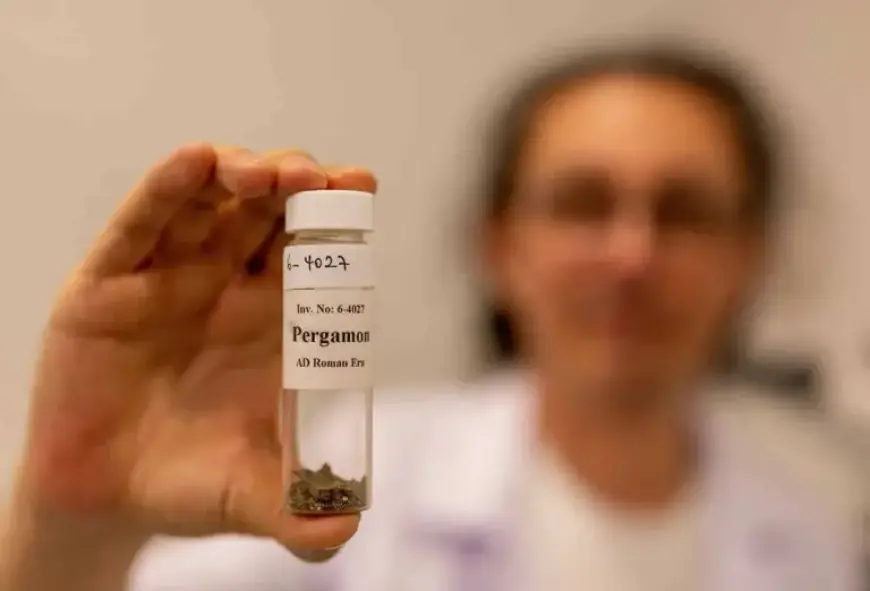
Archaeologists and scientists in Turkey have identified human excrement traces inside a 1,900-year-old glass unguentarium. The bottle came from a collection at Bergama Museum, near the ruins of ancient Pergamon in Izmir province.
Analysis and findings
Cenker Atila of Sivas Republic University led the archaeological work. He examined hundreds of small vials held at Bergama Museum.
Pharmacologist Ilker Demirbolat of Istanbul Kent University performed chemical tests. The analysis, done in March 2026, detected human faecal matter and thyme oil.
Object and provenance
The vessel is a long-necked unguentarium typically used for perfumes or elixirs. It dates to roughly 1,900 years ago, placing it in the Roman period.
Looters originally recovered the bottle. That damage prevents a secure excavation record. Experts note the bottle’s shape fits regional types from Pergamon.
Historical context
Pergamon once hosted a major medical center and the physician Galen. Ancient Roman texts had already described applying excrement for wounds and inflammation.
This find offers material support for those accounts. Researchers say it strengthens evidence of Roman use of human excrement as medicine.
Interpretation and significance
Scientists suggest the thyme oil masked unpleasant odors. Roman practitioners reportedly mixed foul ingredients with pleasing scents.
Researchers describe this as the first physical confirmation of the practice. The result changes how scholars view ancient remedies and their preparation.
Next steps
Teams plan further testing on other vials in the Bergama collection. They also hope to refine the object’s regional attribution.
Filmogaz.com will follow developments as laboratories and archaeologists publish more data.