Grosvenor Hotel in Chester to Close Operations

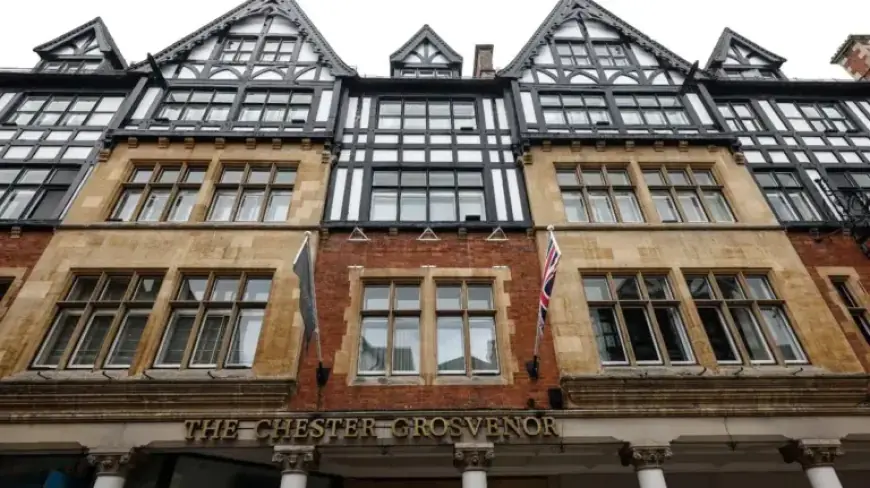
The historic Chester Grosvenor will stop trading at the end of September 2026. Bespoke Hotels informed staff of the decision on 19 March 2026. The Grade II property faces urgent structural work after unsafe concrete was found above its function suites.
Safety concerns and immediate measures
Surveys discovered reinforced autoclaved aerated concrete (RAAC) above the hotel’s function suites. The conference and function areas were closed immediately. Bespoke Hotels said the affected zone will stay shut as a precaution while other public spaces and the car park remain open.
Decision to cease operations
Bespoke Hotels said the scale and complexity of the repairs, coupled with necessary refurbishment, made continued operation unviable. In a statement to Filmogaz.com, the operator confirmed it intends to close the hotel on 30 September 2026. Bespoke added that guest and colleague safety was the top priority.
Staff impact and company response
Staff received a letter from chief operating officer Richard Grove explaining the move. The company acknowledged the decision may cause job losses and distress. Bespoke said it will share details of support for colleagues in the coming weeks.
Historic context and management
The building dates back to 1865 and sits next to Chester’s Eastgate Clock. The Grosvenor Estate appointed Bespoke Hotels to run the property in 2015. The estate is now drawing up plans for refurbishment and seeking a new operator to secure the hotel’s long-term future.
Key facts
- Announcement date: 19 March 2026.
- Planned closure date: 30 September 2026.
- Issue: RAAC found above function suites.
- Operator: Bespoke Hotels (appointed 2015).
- Owner: Grosvenor Estate developing refurbishment plans.
- Building date: 1865. Location: Eastgate Street, beside Eastgate Clock.
Bespoke Hotels announced the Grosvenor Hotel in Chester will close operations on 30 September 2026. The operator says it will focus on safety and on supporting affected colleagues while longer-term plans are developed.