Supreme Court Evaluates Asylum Seekers’ Rights at U.S.-Mexico Border

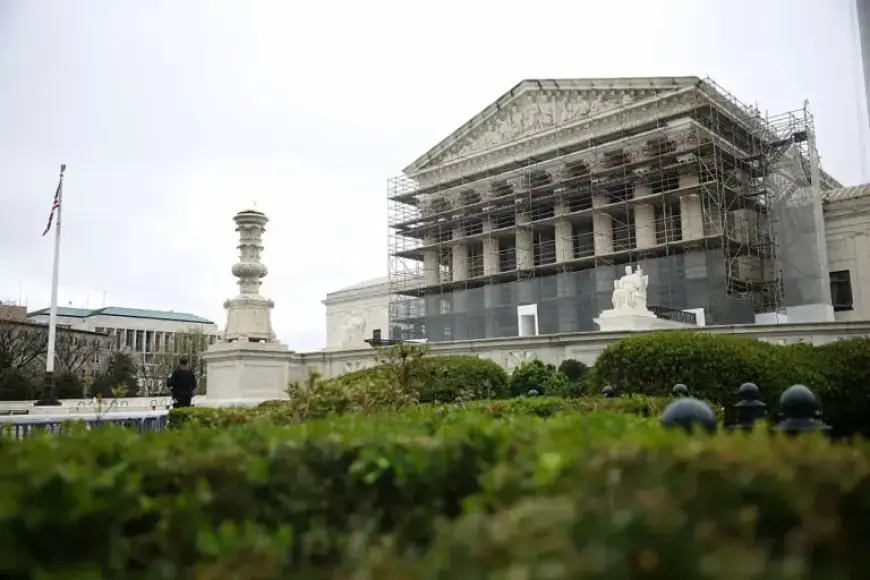
The Supreme Court will hear oral arguments next week in Noem v. Al Otro Lado. The case challenges a past government practice of turning back asylum seekers before they could reach official U.S. ports of entry.
Origins of the Metering Policy
The practice known as “metering” began nearly a decade ago. It followed a surge of Haitian asylum seekers at the San Ysidro port of entry near San Diego.
Customs and Border Protection agents routinely blocked noncitizens without valid travel documents. In 2017, the government expanded the practice to all land ports along the U.S.-Mexico border. A 2018 memorandum then formalized the approach.
Legal Challenge and Lower-Court Rulings
Al Otro Lado and 13 asylum seekers sued in federal court in southern California. They argued the policy violated federal immigration law and caused humanitarian harms in Mexico.
In 2024, a three-judge panel of the U.S. Court of Appeals for the Ninth Circuit ruled for the challengers. The panel held that people blocked at ports of entry had “arrived in” the United States for asylum purposes.
The full Ninth Circuit denied rehearing. Judge Daniel Bress filed a dissent joined by 11 other judges.
Key Statutory Language at Issue
The dispute centers on two statutory phrases. The law allows asylum applications by noncitizens who are “physically present in the United States” or who “arrive[] in the United States.”
The parties disagree over whether those words cover people stopped on the Mexican side of a port of entry. The Ninth Circuit read “arrives in” to include those who present themselves to officials at the border.
Arguments to the Supreme Court
Government Position
The government appealed to the Supreme Court. U.S. Solicitor General D. John Sauer argues that “arrives in the United States” means coming within U.S. borders.
Sauer also cited a past Supreme Court decision about intercepted refugees at sea. He said that precedent supports limiting asylum protections to people who reach U.S. territory. The government added that metering was a valuable tool for managing large border flows.
Challengers’ Position
The challengers counter that the statute’s present-tense wording covers people trying to enter the country. They said Congress intended inspection duties to apply to those who present themselves at ports of entry.
They pointed to a 1997 regulation that treats persons “attempting to come into the United States at a port-of-entry” as arriving. They also warned that blocking asylum seekers could breach non-refoulement obligations.
Context and Stakes
The Department of Homeland Security rescinded the memoranda authorizing metering more than four years ago. The government says it should retain the option to reinstate the practice if needed.
The case raises questions about statutory interpretation and extraterritoriality. It also touches on humanitarian and international law concerns along the U.S.-Mexico border.
As the Supreme Court evaluates asylum seekers’ rights and statutory limits, justices will decide whether current law protects those stopped short of U.S. soil. Filmogaz.com will follow the arguments and report developments.