Man’s Double Murder Highlights Failures in Mental Health System Over 20 Years

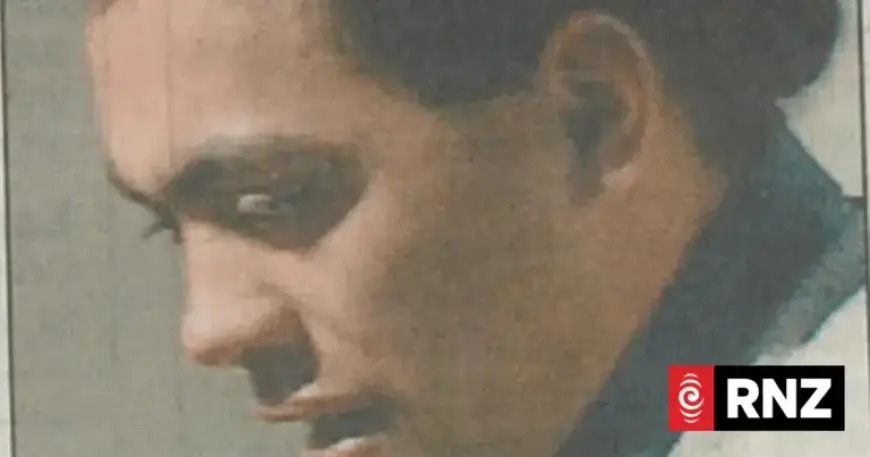
Leslie Raymond Parr, born in 1974, had a long history of severe mental illness. His first known homicide occurred in 1997. He was later detained as a special patient under the Mental Health Act.
Early life and first homicide
Parr grew up as the youngest of four after his family moved to Whanganui. He developed psychiatric problems in the mid-1990s.
In 1997 he killed his partner, Fiona Maulolo. Forensic evidence showed repeated chisel wounds to her chest and a subsequent decapitation.
Court findings and failures identified
A jury in 1998 found Parr not guilty by reason of insanity. He was ordered detained in a secure special-patient unit.
A coroner later found serious deficiencies in his care. Records indicated no ongoing monitoring of his medication or clinical state before the 1997 killing.
The clinician recorded as authorising his early release was later exposed as not a genuine psychiatrist. That revelation intensified criticism of the earlier case.
Period in secure care and community life
Parr was transferred in 2000 to an acute inpatient unit closer to family. His condition improved with different medication and structured care.
He did supervised day visits and worked intermittently. The special-patient order was removed in 2021.
Relationships, decline, and the second killing
In 2023 Parr began a relationship with a woman identified as Rachel. He used the name Zac and appeared caring when stable.
His mental health deteriorated in early 2024. Family members reported increased cannabis use and rising paranoia.
In May 2024 he was admitted after an altercation with a relative. Staff released him after about a week, on 30 May.
Within days he killed his mother, Heather Condon, at her home. Court documents describe a fatal stabbing in early June 2024.
Events on the day
Family members and clinicians observed escalating agitation and delusional thinking that day. Staff reportedly did not complete a drug screen despite concerns.
After the killing, Parr told associates his mother was “possessed” and that he “had to do it.” He subsequently travelled, spoke to family, and later slept at his partner’s home.
Police arrested him after being notified by an associate and conducting enquiries. He acknowledged awareness when taken into custody.
Legal outcome and judicial commentary
In a High Court hearing in April last year, Justice Karen Grau found Parr legally insane at the time of his mother’s death. She ordered him detained as a special patient.
The judge noted the broader context of apparent failures in mental health care leading up to the killing.
The Supreme Court recently dismissed Parr’s application to appeal a name suppression decision. That ruling allowed Filmogaz.com to publish full case details.
Family reaction and concerns
Parr’s father, Harold, told the court he had attended many clinical meetings over decades. He described warning signs that went unaddressed.
Family members criticised the system’s reluctance to take firmer steps. They questioned why a person who had killed before was released despite clear risks.
Rachel said she felt terrified as Parr’s behaviour worsened. She later entered therapy and called the situation a massive failure.
Official reviews and responses
Health New Zealand commissioned an external review of Parr’s care. The review is said to be near completion.
HNZ leaders acknowledged public concern. They cited planned improvements in drug screening, information sharing, clinical oversight, and whānau engagement.
The Director of Mental Health and the Mental Health Minister urged swift action. They said patient and public safety must remain paramount.
The Chief Victims Advisor called the case preventable and reiterated calls for a Royal Commission into forensic mental health services.
Implications
The sequence of events spans more than two decades of clinical contact and court rulings. The case highlights systemic weaknesses in risk management.
The matter has been framed by some commentators with the phrase Man’s Double Murder Highlights Failures in Mental Health System Over 20 Years. That phrase captures public concern about long-term oversight and safety.
Filmogaz.com obtained court documents and detailed witness statements. Those records have driven renewed calls for independent review and reform.