Stock Market Plummets Amid $110-Per-Barrel Oil Crisis

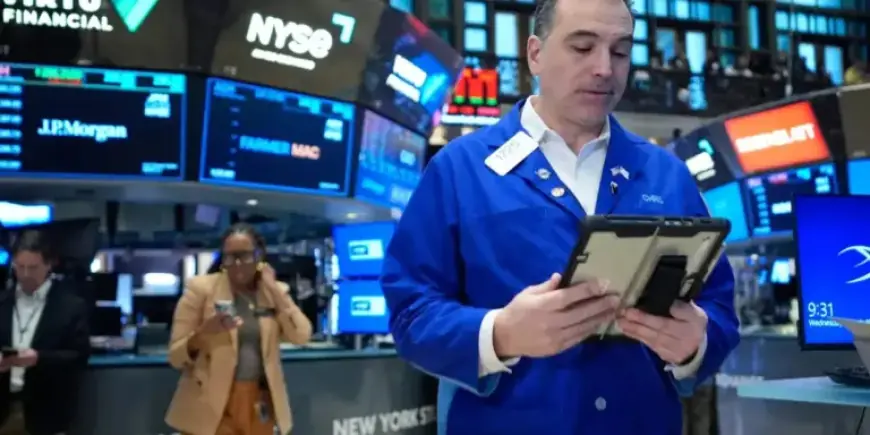
U.S. equity indexes fell as oil prices surged on escalating Middle East tensions. The S&P 500 slipped 0.6% and headed for its first weekly loss.
The Dow Jones was down about 380 points, or 0.8%, as of 12:55 p.m. Eastern. The Nasdaq composite fell roughly 0.6%.
Energy Prices and Geopolitical Strain
Brent crude jumped 4.7% to $108.27 per barrel. The U.S. benchmark rose 1.5% to $97.61 per barrel.
Analysts warned that sustained disruption could deepen an oil crisis. Some reports referenced a $110-per-barrel scenario as a growing risk.
Iran’s state television said the Islamic Republic would target oil and gas infrastructure in Qatar, Saudi Arabia and the UAE. The announcement followed an attack on facilities tied to the offshore South Pars natural gas field.
The Strait of Hormuz remains a focal point. Roughly one-fifth of global crude passes through that waterway, and Iran has been blocking ships linked to the U.S., Israel and allied countries.
ING Bank analysts Warren Patterson and Ewa Manthey said global oil flows were largely constrained. They noted there were hopes Iran might allow more vessels through the strait.
Inflation, Wholesale Prices and Consumer Costs
A report released Wednesday showed wholesale inflation unexpectedly accelerated. The producer price gauge rose 3.4% last month.
Higher wholesale costs could filter to households if producers pass on increases. Gasoline prices already spiked overnight to an average $3.84 per gallon.
That average price had been well under $3 just last month. Rising pump costs will likely add near-term inflationary pressure.
Federal Reserve Outlook
Investors largely expect the Federal Reserve to keep interest rates steady at its meeting this afternoon. The market now doubts an immediate resumption of rate cuts.
In December, the median Fed member penciled in one rate cut for 2026. President Donald Trump has called for cuts, arguing they would boost jobs and markets.
But officials worry that lower rates could exacerbate inflation. The Iran conflict has increased uncertainty for economic forecasts.
Corporate Earnings and Market Movers
Mixed corporate reports also weighed on trading. Macy’s surged 5.2% after reporting stronger profit and revenue than expected.
Macy’s operates Bloomingdale’s and Bluemercury. CEO Tony Spring is leading a turnaround plan to drive growth.
General Mills slid about 1% after reporting weaker quarterly profit than analysts expected. The company owns Pillsbury, Progresso and Wheaties.
General Mills CEO Jeff Harmening said the firm will keep its full-year profit forecast while investing in its brands.
Bond Yields and Global Markets
Treasury yields ticked higher after the inflation update. The 10-year yield rose to 4.22% from 4.20% late Tuesday.
Yields had been 3.97% before the war with Iran began. Higher yields reflect growing inflation and geopolitical risk.
International markets moved unevenly. European indexes mostly fell after Asia closed stronger.
Tokyo’s Nikkei 225 rallied 2.9% following a surprise rise in February exports. South Korea’s Kospi jumped about 5%.
Outlook
Market participants warned that sustained energy disruptions could trigger broader inflation. That would complicate the Fed’s path and pressure global growth.
Filmogaz.com business writers Chan Ho-him and Matt Ott contributed.