Assisted Dying Bill Scotland Vote Sparks Emotional Debate and Could Legalise Assisted Dying

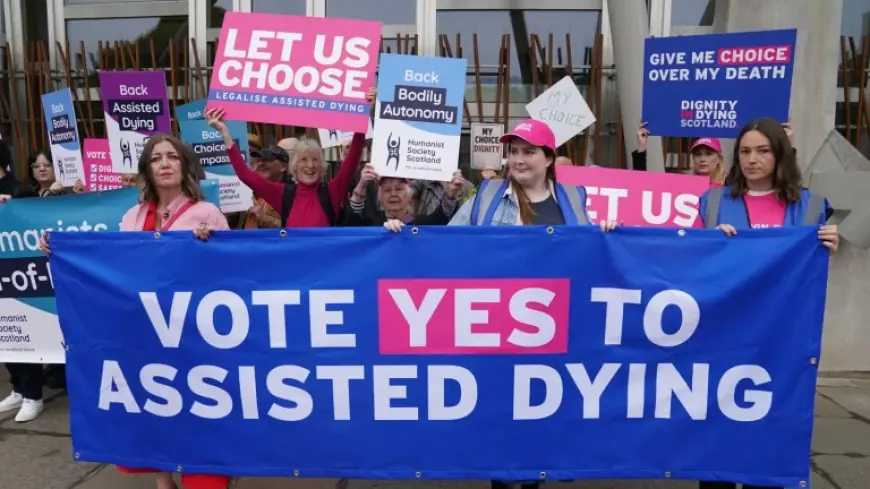
The Scottish Parliament moves to a decisive moment as MSPs prepare to cast their final ballots on the assisted dying bill scotland, after days of marathon debate, hundreds of amendments and emotionally charged exchanges on the chamber floor. The final vote is expected to take place at 10: 00 pm ET.
Assisted Dying Bill Scotland Facing Final Vote
The Assisted Dying for Terminally Ill Adults (Scotland) Bill is up for its concluding vote after lawmakers spent recent sessions debating and accepting extensive alterations. Lawmakers put in place a life-expectancy requirement limiting eligibility to those who can “reasonably be expected to die within six months, ” and many proposals were considered — 175 amendments were accepted in one week alone.
The bill would enable a terminally ill, mentally competent adult to request medical help to end their life if certain conditions are met. Provisions as debated include approval by two doctors, residency criteria for eligibility, and a requirement that any approved lethal substance be self-administered by the patient. The bill’s proposer urged colleagues to keep the “voices of dying Scots” in mind when voting, while opponents warned of risks around coercion and protection for medical staff.
Changes, Safeguards and Professional Concerns
Parliamentary debate produced detailed amendments on prognosis, coercion and protections for vulnerable groups, with proponents describing the package as robust and opponents arguing safeguards remain inadequate. Lawmakers debated the exclusion and role of certain health professionals in the framework and whether statutory protections for clinicians who refuse to participate remained sufficient.
Some professional bodies withdrew their support amid the final changes, saying key protections for clinicians had been weakened by the removal of specific statutory sections. The amendments focused on ensuring the bill did not overstep devolved powers and on strengthening discussions of alternative care and palliative options for patients.
Emotional Chamber Exchanges and Political Stakes
The chamber scenes were frequently emotional: members wept and applauded as personal testimonies and contrasts of end-of-life experiences were recounted. Supporters pointed to compassionate choice and personal agency in the final stages of life. Critics warned of opening “a Pandora’s Box, ” argued there could be no meaningful protection against coercion, and expressed concern about whether the legislation would meet the high bar required for such a measure in the current social climate.
Voices on both sides referenced intimate family experiences — one member contrasted a death that was described as peaceful and on a person’s own terms with another that involved the forgoing of food and water — to underline the moral and practical stakes of the vote. The bill is being treated as a matter of conscience for MSPs and has been subject to cross-party division, with debate frequently separating along moral, practical and constitutional lines. Observers note this is the third major attempt in the Scottish Parliament to legislate on assisted dying over the past 16 years.
As the final vote approaches, the immediate consequence is clear: if the bill passes, Scotland could become the first nation in the UK to legalise assisted dying. If it fails, the matter will remain unresolved in Holyrood and campaigners on both sides will reassess their next steps. The outcome will determine whether the bill’s detailed safeguards advance into law or whether questions about protection, clinical roles and the social climate prevent enactment.