Student Loan Crisis Escalates as Treasury Committee Opens Inquiry

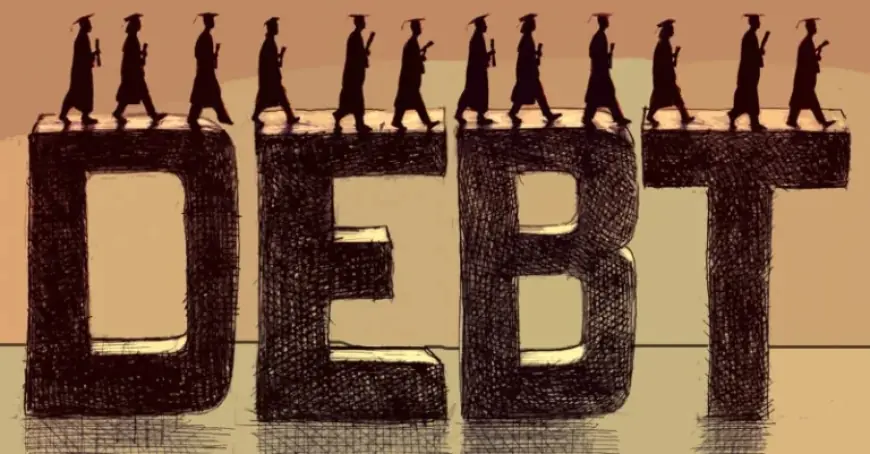
The student loan crisis has been placed squarely on the parliamentary agenda after the House of Commons Treasury Committee launched a new inquiry into student loans and the broader taxation of graduates, inviting anyone over the age of 16 to submit their experiences.
Student Loan Terms Under Scrutiny
The Treasury Committee set out a range of complaints it says are driving public frustration. Central concerns include large average debts on leaving university, interest rates above inflation, a frozen earnings threshold for repayments and a repayment rate that many graduates view as punitive. The Institute for Fiscal Studies finds students now leave university with more than £50, 000 in debt, while the repayment threshold stands at £28, 470, frozen from April 2027 by Rachel Reeves in the November Budget.
Under the current Plan 2 rules affecting those who began degrees in England and Wales after September 2012, graduates repay 9 per cent of earnings above the threshold. That structure produces very high marginal tax rates for some: 37 per cent for graduates earning up to £50, 000 and 51 per cent for those earning more. Term lengths also vary: remaining debt is cancelled after 30 years for Plan 2 borrowers who started between 2012 and 2023, while those who began after 2023 face a lower interest rate but a 40-year repayment term.
Political Responses and Proposed Fixes
Pressure to act has mounted from multiple directions. More than 20 Labour MPs have urged reform, and one MP described Plan 2 as a “mis-selling scandal waiting to unfold. ” Both Conservatives and Liberal Democrats have put forward their own proposals for change, while campaign groups press for more radical measures.
Conservative proposals include lowering the interest rate to RPI, an approach intended to reduce the total lifetime burden for some graduates. The Liberal Democrats propose raising the earnings threshold in line with average earnings rather than RPI, which would reduce monthly payments for many but increase lifetime repayments for the highest earners. A campaign group called Rethink Repayment argues for unfrozen thresholds, an interest cap at the consumer price index and a reduction in monthly repayments from 9 per cent to 5 per cent of earnings. Its founder estimates those combined changes would cost the Treasury £12bn for the final Plan 2 cohort and £60–70bn if applied to all Plan 2 graduates; the Conservative and Liberal Democrat proposals carry price tags of about £4bn and £3bn respectively for the 2022–23 cohort.
Why It Matters Now And What Comes Next
The issue has simmered for years but is now erupting into open political contention. For many graduates the reported combination of high interest and extended repayment terms feels financially suffocating, and the political choices over which part of the system to adjust carry distinct distributional consequences. One particularly contentious element is the scale of interest charged: critics say higher-earning graduates end up repaying far more than they borrowed, effectively subsidising lower earners.
The Treasury Committee inquiry offers a formal route for public voices to be heard and for the different reform proposals to be examined alongside the financial costs they would impose. Submissions from those with lived experience are now being accepted, and the inquiry will be a focal point for debate between parties and campaigners in the near term. With cross-party proposals already on the table and campaigning groups pushing for larger change, the parliamentary spotlight on the student loan system is likely to intensify before a clear consensus emerges.