European Countries Reject Trump’s Call to Reopen Strait of Hormuz

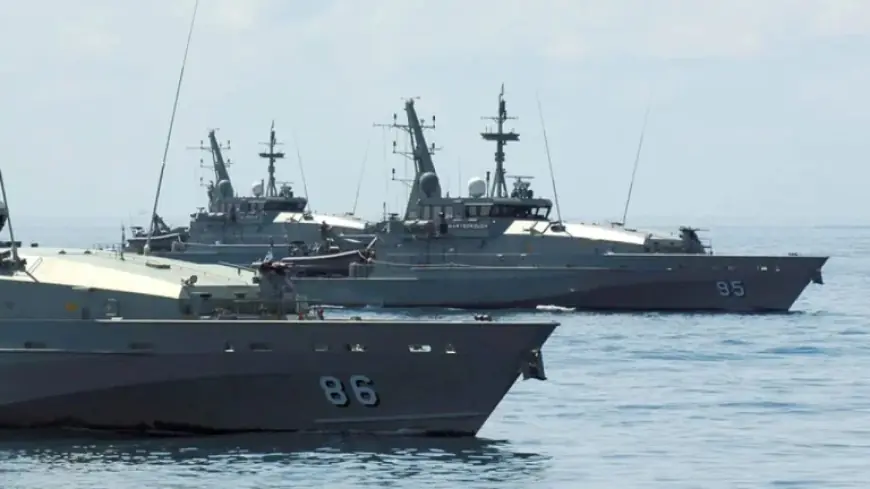
European leaders have ruled out sending warships to the Strait of Hormuz after President trump urged allies to form a naval coalition to reopen the vital waterway, and Australia says it has not been asked to contribute ships.
European leaders rule out military missions, push diplomacy
Germany made clear it will not participate in any military activity to reopen the strait. The chancellor said there was never a joint decision to intervene and that the question of how Germany might contribute militarily “does not arise. We will not do so. ” The chancellor added that the Iranian regime “must come to an end” but cautioned that bombing it into submission is unlikely to be the right approach.
The country’s defence minister questioned the expectation that a handful of European frigates could manage a challenge the United States navy could not handle alone, saying “this is not our war, we have not started it. ” European capitals including Italy signalled a preference for diplomacy. Italy’s foreign minister said “diplomacy needs to prevail” and cast doubt on expanding existing naval missions designed for anti-piracy and defensive tasks to cover the strait.
The UK prime minister said the country would not be “drawn into the wider war” while work continued on what he described as a “viable plan”. He did not rule out action entirely but said any operation would have to be agreed by as many partners as possible. France and Japan also said they had no plans to send warships.
Trump Repeats Call, Issues NATO Warning
At a press conference on Monday, Trump repeated his call for allies to help reopen shipping in the strait, saying “some are very enthusiastic about it and some aren’t. ” He expressed dissatisfaction with the UK but suggested it would be involved. Trump had called on other countries to send ships to protect commercial vessels and unblock oil shipments, and told a newspaper that beneficiaries of the strait should help ensure nothing bad happens there. He warned that if there were negative responses it would be “very bad for the future of Nato. ”
European officials pushed back on the practicality and utility of a European naval contribution. The defence minister in one country asked what was expected of a small number of European ships in an area the US navy is already present in, framing the question around responsibility and capacity.
Australia Says It Was Not Asked To Send Ships
Australia’s defence minister said the government had not received a request from the United States to send a warship to the strait. He said the government would consider any request through the lens of national interest but that it was not contemplating sending a ship at this time because no direct request had been made. Other countries beyond Europe also stated they had no plans to send warships.
Meanwhile, EU foreign ministers meeting on Monday decided against extending the remit of a small naval mission in the Red Sea. A proposal to change the mandate of Operation Aspides to help secure the strait drew little enthusiasm from member states, and the EU’s foreign policy chief said discussions showed a clear wish to strengthen the existing operation rather than broaden its remit.
With military contributions largely ruled out by major European capitals and no formal request issued to some partners, leaders emphasized diplomatic channels as the primary route to reopening the strait and stabilizing disrupted energy flows. The situation remains framed by competing views on burden-sharing and the limits of European naval involvement.