Fuerteventura: Hidden Beaches And Canary Islands Extreme Rain Warning

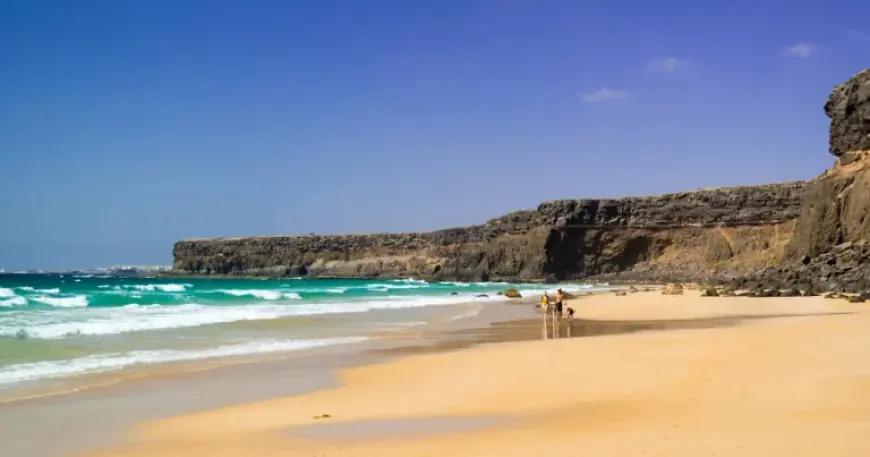
fuerteventura is being framed by two contrasting stories: travel guides highlighting remote, infrastructure-free beaches away from the main resorts, and a wider Canary Islands weather pattern that has already turned parts of the archipelago unusually green and threatens very heavy rainfall on other islands. This roundup sets out which quiet beaches remain largely unspoiled and what the current rain forecasts mean for the region.
Hidden Beaches Off The Tourist Track
Several lesser-known coastlines offer solitude and raw scenery, but come with limited or no facilities and sometimes challenging access. Playa de Esquinzo on the west coast features long stretches of light sand, dark rocks and strong surf; access is a dirt track and parking is at the roadside on the cliff before a short path down to the beach. There is no infrastructure, making the location popular with surfers and those seeking space and wildness.
Playa de Jarugo, west of Tindaya, remains often empty even in high season. The route involves a dusty piste; while an all-wheel-drive vehicle is not strictly required, it can be helpful. The beach is framed by dark rocks and fine golden sand, but there are no shade spots or services. Strong currents mean swimming is only advisable when the sea is calm.
On the rugged west coast south of La Pared, Playa del Águila (also called Playa de Garcey) presents a wide, lonely beach set amid barren landscape. A rough track leads to parking above the cove and a narrow path down; the location is more suited to walking and observing the surf than to bathing. Playa de los Ojos, reached from a parking area at Mirador del Barranco de los Canarios, is a tiny bay beneath a steep cliff with pale sand, clear water and a small rock cave. The path down is steep but manageable; visitors should note that mobile reception is often unavailable and that swimming should be attempted only in calm conditions.
About 20 minutes south of La Pared, Playa de la Solapa is a broad, dark natural beach ringed by cliffs and frequently subject to strong surf. A relatively passable dirt road leads to parking above the beach and a stairway down; the shoreline shows striking contrasts of black sand and lighter shell layers. Across these secluded sites, infrastructure is essentially absent, so visitors must come prepared with supplies and caution.
Beaches On Fuerteventura Away From The Crowds
For travelers seeking quieter seafronts, the combination of sparse facilities, rough tracks and limited parking defines many of these spots. Those planning to visit fuerteventura’s hidden coves should expect no on-site services, potential for strong currents and, in some places, the need for a robust rental vehicle and careful footing on steep paths.
Extreme Rain Forecast Across The Canary Islands And What It Means
The Canary Islands are forecast to face a notably changeable and very wet weather phase. Model calculations show two main centers of heavy precipitation in the coming days, with the most extreme totals expected on La Palma and the island of Madeira, where cumulative amounts until Wednesday evening, 25 March 2026, could reach over 250 and in some places exceed 300 liters per square meter. The period contains individual 24-hour episodes of intense rainfall; one peak could bring more than 150 liters per square meter within a single day on La Palma, while La Gomera may see locally over 80 liters per square meter.
This rain pattern has already altered local landscapes: even normally dry islands have turned noticeably green, an indicator that recent rainfall totals have been well above typical levels. Heavy and concentrated precipitation raises the risk of localized flooding and landslides, particularly in steeper, mountainous terrain where small rivers and barrancos can swell rapidly and carry debris. At the same time, the rainfall contributes to groundwater recharge and helps restore vegetation and water stores.
The present situation combines travel interest and weather caution: secluded beaches remain accessible but remote, and the broader regional forecast points to potentially disruptive, heavy rain on several islands. Visitors and residents should remain aware of local conditions and prepare for limited services at remote coastal spots while monitoring weather updates for the islands most at risk.