Blake Fielder-civil London Interview Leaves Questions Over Responsibility For Amy Winehouse’s Death

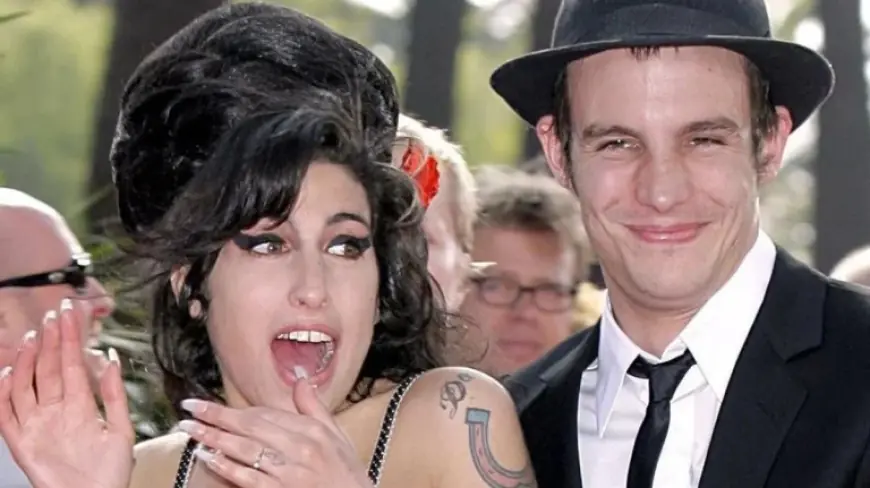
blake fielder-civil has insisted he is not responsible for Amy Winehouse’s death in a rare interview, while acknowledging he played a part in the couple’s destructive dynamic and pushing back against portrayals that cast him as solely to blame.
Blake Fielder-civil Speaks Out
The former husband of the London-born singer addressed his role in their turbulent relationship on a podcast appearance, saying he would accept responsibility for any harm he caused but rejecting the idea that he alone caused her decline. He said he had a part to play in their destructive dynamic but emphasized that Winehouse exercised agency over her own choices.
Claims About Drug Use And Responsibility
In the conversation he acknowledged that the pair experimented with drugs together and confirmed that Winehouse first tried heroin with him, while denying that he was a daily addict before meeting her. He disputed the narrative that he was a hardened drug addict who manipulated her into long-term substance dependence, saying he did not wake up needing drugs and that the story had been simplified in public retellings.
The singer died in July 2011 aged 27 from alcohol poisoning, two years after their divorce. Fielder-Civil said that recognizing his role was not intended to diminish the seriousness of her addiction and described Winehouse as a strong woman who made choices even as the drinking began to harm her.
Blame, Forgiveness And Failures Around Winehouse
He said he had been made a scapegoat by some who suggested removing him would remove the problem, and he expressed anger at members of Winehouse’s team whom he described as failing to protect her. He pointed to management decisions that prioritized getting her on stage over looking after her health, calling that stance at least “strange” and, in his view, unforgivable.
Although they were no longer together at the time of her death, he remained in contact and said he believes he could have helped had circumstances been different, noting he was unable to act while incarcerated. He also reflected on the intense tabloid attention that coincided with Winehouse’s rise in the mid-2000s and the chaotic nature of their relationship during that period.
His comments combine an acceptance of personal responsibility for elements of their shared past with a clear rejection of single-person blame for a complex situation that involved addiction, fame and the decisions of those around the artist.
Moving forward, the interview underscores unresolved questions about accountability and the role of managers, family and industry figures in supporting artists who struggle with substance use, while leaving the definitive assignment of responsibility for the singer’s death a matter he denies belongs solely to him.