Marvel Rivals Devs Point to a Retention Strategy as They Discuss Balance and Content

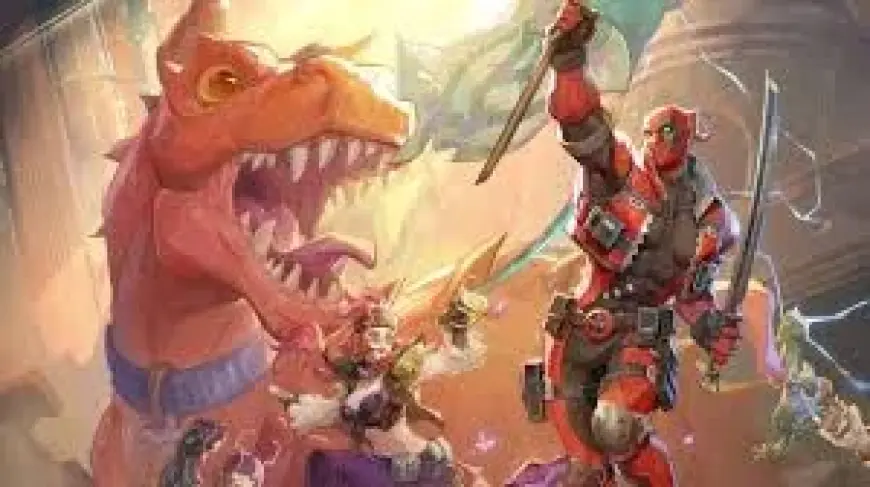
marvel rivals is back in the spotlight after a trio of new developer-focused pieces highlighted what the team views as the game’s path to long-term staying power, while also addressing topics like potentially overpowered heroes and how the studio thinks about content.
Marvel Rivals and the “One Key Strategy” Behind Staying Power
One newly published analysis frames the game’s longer-term traction around “one key strategy, ” putting a clear emphasis on retention and durability rather than a short-lived spike of attention. While the specific details of that strategy were not provided in the available context, the framing makes the developers’ intent clear: the focus is on ensuring the game can hold players’ interest over time.
That positioning matters because it links the game’s near-term decisions—like how it handles updates, balance, and player expectations—to an explicit goal of maintaining an active community. In other words, the conversation around marvel rivals isn’t only about what’s new, but about what will keep the experience compelling as the weeks and months go on.
Developer Interview Raises Questions About “OP Heroes” and Content
A separate developer interview zeroes in on hot-button issues players often care about most in competitive games: character strength and content direction. The interview explicitly references “OP Heroes, ” signaling that balance is a live topic around the project and that the team is engaging directly with how powerful certain heroes may feel in actual play.
The same interview also references “Gooner Content, ” indicating the developers addressed that subject as part of a broader discussion of what content belongs in the game and how they talk about it publicly. The context provided does not include what the developers said about that topic, only that it was included among the discussion points.
Together, the interview themes underline a familiar challenge for any live competitive title: players want new experiences and expressive characters, but they also want fair matchups and clarity about where the game is headed. Developer communications like these are often closely watched because they can signal how quickly balance changes might arrive and what kinds of updates the team considers priorities.
Devs Address Player “Haemorrhaging” and Lessons From Other Releases
A third piece highlights a developer explanation for how the team believes it avoided “haemorrhaging players” in the way other games—specifically named as Concord and Highguard—have been discussed in similar terms. Even without additional detail in the provided context, the comparison underscores the stakes: keeping players engaged after launch is treated as an existential problem for modern multiplayer releases.
Read together, the three recent items sketch a consistent theme: the developers are talking openly about the pressures that can cause a competitive game to lose momentum, and they are attempting to define a strategy that supports longevity. With balance questions and content direction both in the mix, the next major signals will likely come from how the team follows up on these discussions in practice—especially around hero tuning and any further clarification of the retention approach referenced as central to the game’s staying power.