Amy Winehouse’s Ex Blake Fielder Insists He Is Not Responsible For Her Death

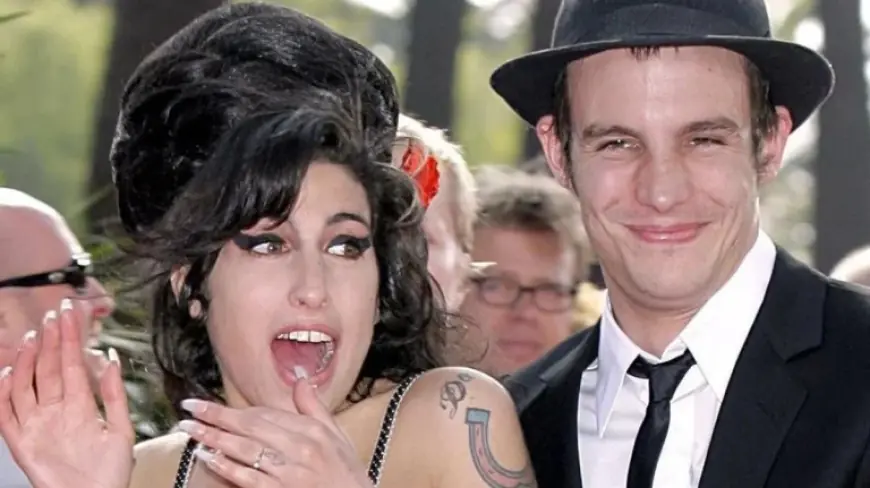
blake fielder, the ex-husband of Amy Winehouse, has told a rare interview he is not solely responsible for the singer’s death, acknowledging he played a part in their destructive dynamic but rejecting the portrayal of himself as the main cause of her decline.
Blake Fielder’s Interview: What He Said
Speaking on Paul C Brunson’s We Need To Talk podcast, he opened up about the turbulent relationship, their struggles with addiction and the intense scrutiny Winehouse faced at the height of her fame. He accepted that he “had a part to play” but argued it was wrong to portray him as solely responsible, saying, “I never shirk from any responsibility. If I’ve done something, I’ll put my hand up to it… I had a part to play. But Amy herself had agency… Amy did what she wanted to do. “
He addressed long-running claims that he introduced Winehouse to heroin, acknowledging the pair experimented with drugs together while denying that he was a long-term addict before meeting her. He said, “I wasn’t in daily addiction. I didn’t wake up and need drugs, ” and rejected the idea that he had manipulated her into prolonged drug use. He also stressed that recognising her agency was not intended to diminish the seriousness of her addiction, adding, “She was actually a very strong woman. ” Winehouse died in July 2011 aged 27 from alcohol poisoning, two years after the couple divorced.
The People He Cannot Forgive
blake fielder also questioned the role of those around Winehouse, saying it was “unforgivable” that her team did not do more to protect her. He suggested he was made a “scapegoat” for her problems and criticised those holding the purse strings. In the interview he recalled an attitude from management that prioritised performances over health: “I did the job I was expected to do, which is put Amy on as many stages as possible. He says it wasn’t my job to look after her health. “
He said there was never a clear sense of intervention and that public accounts of Winehouse’s recovery did not reflect the reality he observed. He added that although they were no longer together at the time of her passing, he remained in contact and believed he might have helped had he not been in jail.
Context And What He Wants Heard
Across the interview, he urged a more nuanced view of the relationship and the singer’s final years: acknowledging his role while insisting that responsibility was shared and complex. He described the way the story has been told as simplification that made him the villain and obscured broader failures around Winehouse.
He framed his comments as an attempt to correct the narrative while still recognising the gravity of her addiction. The interview is his latest public reflection on a relationship that has long been tied to the public account of Winehouse’s struggle and death.