Tropic Thunder Clip Included in White House War Videos, Drawing Criticism

The White House’s social media feed has posted pumped-up videos that splice real Iran combat footage with scenes from entertainment, including a clip tied to tropic thunder, creating a montage critics say trivializes deadly conflict and promotes the newly launched war.
What Was In The White House Videos
The videos cut between declassified imagery of the Iran war and rapid-fire pop-culture moments: movie action heroes, video-game kill shots, and athletic highlights. Clips from Braveheart, Superman, Top Gun, Breaking Bad and Iron Man were included alongside footage from games such as Call of Duty and Halo. The mash-up also inserts animated material — even a SpongeBob line asking, “You wanna see me do it again?” — and pairs the images with aggressive music, including Childish Gambino’s “Bonfire, ” Miami XO’s “Bazooka” and AC/DC’s “Thunderstruck. ” One post carried the caption “JUSTICE THE AMERICAN WAY, ” framed with flag and fire emojis.
Tropic Thunder In The Mash-Up
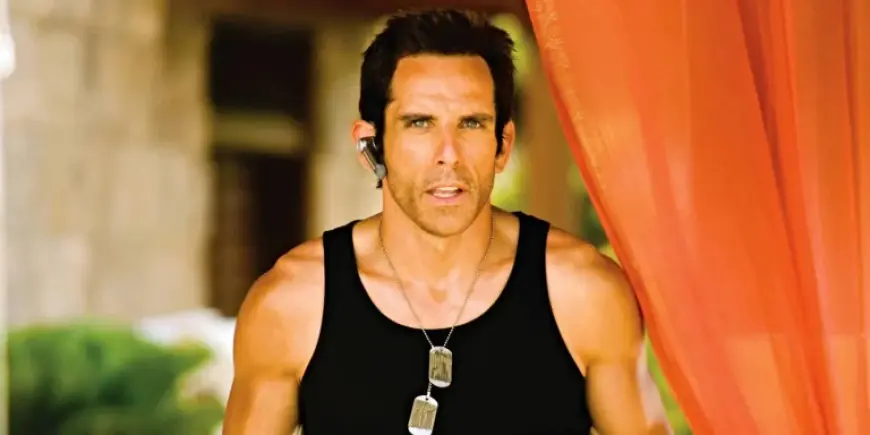
The montage also reaches into satire: a moment associated with Tropic Thunder appears amid the cinematic clips. One noted image connected to the film shows Ben Stiller accepting an award for Tropic Thunder, and the video includes a brief sequence tied to a balding movie-executive character who appears over the film’s final credits. Critics point to that juxtaposition as emblematic of the broader editing choice to mix fiction and real explosions.
Reaction: Critics Call The Collage Troubling
Commentary on the videos has been sharply negative in some quarters. A prominent critic described the clip package as “a piece of supremely nasty mischief, ” calling the pairing of heroic movie moments with live kill-shot footage chilling and beyond irony. Others have used the phrase “gamification of war” to characterize the posts, saying the cinematic and gaming imagery aims to make violence look like entertainment and to boost enthusiasm for the conflict. A senior U. S. Catholic Church cleric condemned what was called a trivialization of deadly real-life combat.
The creative approach — equating the sensory thrills of entertainment with battlefield imagery — marks a distinct use of modern popular culture in a White House communications push. Supporters of the strategy appear to be targeting culturally recognizable moments that resonate with younger audiences; detractors say that blending fiction and footage of actual attacks crosses a line.
As the debate continues, the videos have already prompted public backlash over the mixing of staged cinematic bravado and real-world consequences. The White House feed has issued multiple such posts, and critics warn the tactic risks normalizing or glamorizing lethal force rather than fostering sober public discussion.
Moving forward, the controversy is likely to center on whether the administration will change its social media approach and how lawmakers, religious leaders and the public will respond to what many see as a new, entertainment-driven framing of war.