Boston Airport Sees Mass Cancellations And Delays As Severe Weather Disrupts Flights Nationwide

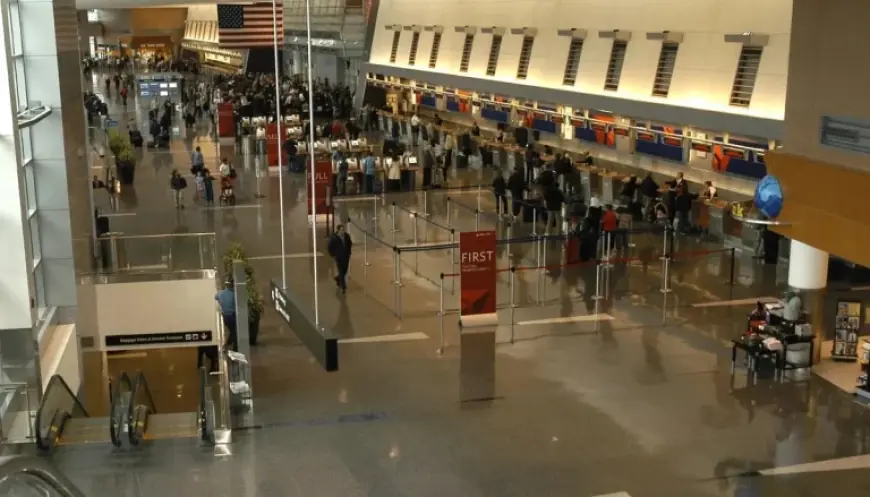
Hundreds of flights were delayed or cancelled at Boston Airport on Monday as a powerful storm system swept across the United States, forcing travel disruptions and long waits for stranded passengers.
Scale Of Cancellations And Delays At Boston Airport
Flight tracking data showed heavy disruption at the airport. By late evening, FlightAware recorded 279 cancellations and 339 delays. Earlier in the day, FlightAware had reported more than 250 cancellations and more than 230 delays as of 3: 30 pm ET. Nationwide, the storm contributed to more than 5, 400 flight cancellations.
Weather And Operational Causes
most of the disruption was caused by the storm system moving across the country and that there were no major security issues linked to the cancellations. The broader pattern of interruptions is tied to a series of volatile late-winter and early-spring weather systems that have repeatedly affected New England and key connecting hubs.
Forecasting and regional meteorological updates noted that the heavy storm system was expected to bring 1 to 2 inches of rain to the Greater Boston area Monday night with wind gusts up to 60 mph. A Flood Watch remained in effect through Tuesday morning and a High Wind Warning was set to continue until 6: 00 am ET on Tuesday. Past extreme events were also cited as triggers for cascading operational strain at the airport during earlier storms.
Passenger Experiences And Consequences
Travelers described long waits, repeated cancellations and difficulty reaching airlines by phone. Maeve Higgins, who was traveling to Florida, said her flight was cancelled, then rescheduled and cancelled again, and that she spent hours on hold while trying to rebook. A fellow traveler, Lauren Price, said the group faced non-refundable hotel bookings and were altering plans to salvage the trip.
By midday, all remaining flights from Boston to New York had been cancelled, and many passengers were forced to change or delay travel. Reports from the day described crowded terminals and extended standby lists as airlines and passengers coped with rolling schedule changes.
Cancellation totals fluctuated through the day, reflecting a stop-and-go recovery pattern when successive storm pulses pass through East Coast travel corridors. The sequence of weather events and resulting operational impacts left schedules appearing normal one day and sharply contracted the next, complicating efforts to stabilize service.
Passengers affected were advised to continue working with their airlines for rebooking and to monitor weather and travel advisories as the region responded to ongoing storm conditions.