Saint Patrick’s Day Myths and Name Confusion Spark Fresh Debate Over the Holiday’s Origins

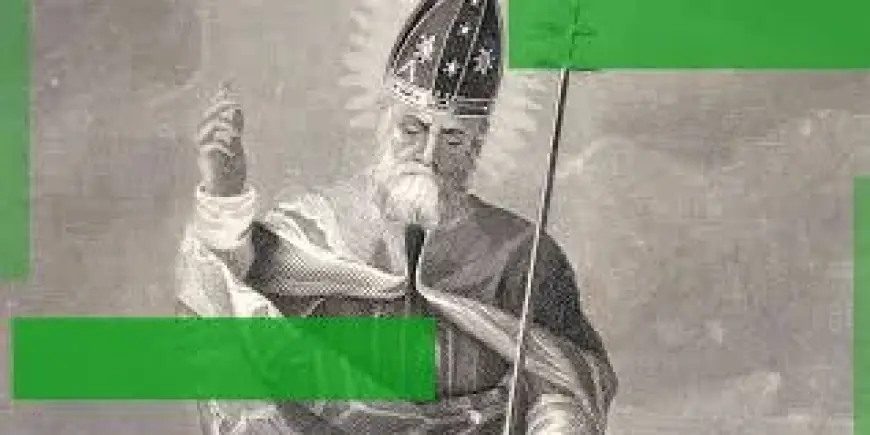
As saint patrick’s day approaches, a new wave of explainer coverage is refocusing attention on what people think they know about the holiday—and what may not hold up. Recent headlines have zeroed in on three recurring flashpoints: the claim that St. Patrick was never actually canonized, ongoing arguments over whether “St. Patty’s Day” is the wrong shorthand, and a fresh roundup of widely repeated myths presented as debunked.
Explainers Revisit Whether St. Patrick Was Canonized
One of the most prominent angles resurfacing this season centers on the question of sainthood itself. A new explainer framed around why St. Patrick was never actually canonized has drawn attention because it runs counter to what many celebrants assume when they hear the title “Saint. ”
The renewed focus reflects a broader appetite for quick, definitive answers about the holiday’s roots. Even as saint patrick’s day remains a fixture on calendars and in popular culture, this year’s coverage shows that basic questions about how the figure at its center is formally recognized—and what that recognition means—still generate significant interest.
The practical effect is less about changing how the day is observed and more about clarifying what is historically verifiable versus what has been repeated so often that it feels automatically true. The canonization question, in particular, has become a shorthand for how easily cultural traditions can flatten complicated history into a single, neat story.
“St. Patty’s” vs. “St. Paddy’s” Returns as a Cultural Flashpoint
Alongside the debate over origins, the annual argument over spelling and nicknames is back in circulation. A separate explainer asks whether it is “St. Patty’s Day” or “St. Paddy’s Day, ” noting that some insist one is correct.
The argument can look minor on its face—one nickname versus another—but it endures because it touches on identity and authenticity. For many people, the shorthand is not just a casual abbreviation; it’s a signal of whether someone understands the traditions they are participating in or speaking about.
The same dynamic is common across major holidays with deep cultural associations: language becomes a proxy for belonging, and small wording differences can take on outsized significance. The recurring nature of the question underscores how saint patrick’s day functions both as a public celebration and as a moment when people renegotiate what “getting it right” should look like.
Saint Patrick’s Day Myths Get Another Round of Debunking
A third strand of this year’s conversation is framed more directly as fact-checking. A new list package highlights “5 Common St. Patrick’s Day Myths, Debunked, ” positioning itself as a guide to what’s real, what’s mistaken, and what has been embellished over time.
While the specific myths are not uniform across every telling, the persistence of myth-busting coverage points to a consistent editorial impulse: treat the holiday as both fun and historically discussable, and give readers something they can share or reference during celebrations. These explainers tend to thrive because they offer the feeling of insider knowledge—simple corrections that can reshape how someone talks about the day.
Taken together, this season’s explainers show the holiday being treated less as a single, settled story and more as a collection of narratives that can be questioned, corrected, and refined. The current burst of attention around canonization, terminology, and “debunked” claims suggests that for many readers, saint patrick’s day is also an opportunity to sort tradition from assumption—without necessarily diminishing the holiday’s appeal.
Why the Holiday’s “Facts” Keep Becoming News
The throughline across the latest coverage is not a new event on the ground, but the recurring need to clarify what the holiday is—and isn’t. The fact that multiple explainers are circulating at once highlights how quickly familiar celebrations can accumulate misconceptions, especially when pop-culture repetition replaces careful retelling.
In practice, that means the story of saint patrick’s day is being told on two levels at the same time: as a widely recognized holiday people plan to observe, and as a set of disputed details that get re-litigated each year. The canonization question, the nickname dispute, and the myth-debunking format all point to the same editorial conclusion: readers are still looking for a cleaner, more accurate narrative—particularly when the most common versions feel too simplified to be trusted.
For now, the debate is likely to remain cyclical, with the biggest questions returning each year as celebrations ramp up. What has changed this season is the concentration of attention on the basics—how St. Patrick is described, how the holiday is labeled in shorthand, and which long-running claims are being challenged—suggesting that the most clickable saint patrick’s day story is still the one that tells people what they thought they knew might not be the full picture.