Trump News: Wary Allies Signal No Quick Fix to Strait of Hormuz Crisis

Trump News dominated diplomatic briefings as the president scolded allies for refusing to commit forces to reopen the Strait of Hormuz, a central flashpoint after Iran has effectively blocked the waterway except for a handful of its own tankers to allies like India and China. The dispute has highlighted widening transatlantic strain and has been a persistent item in trump news coverage.
Trump News: President Scolds Allies Over Strait of Hormuz
The president publicly criticised partners for declining to join a mission intended to secure the key Gulf waterway for oil exports, saying failure to act would be “very bad for the future of Nato. ” He framed the intervention as a test of alliance responsibilities after decades of U. S. protection. Observers noted an irony in the stance, given earlier contentious remarks about a NATO member’s territory.
That rebuke drew blunt pushback from several capitals. In Germany, the conflict with Iran was not a NATO matter, and the German defence minister questioned the utility of small European frigates against the problem the U. S. navy could address. European leaders emphasised that their naval contributions are limited and that this was not their war.
Allies Push Back, Mine-Clearing Gaps Expose Limits
Senior military figures warned that NATO was conceived as a defensive alliance, not an organisation designed for a single ally to undertake a war of choice and compel others to follow. That view has helped shape the restrained response from several partners.
The UK prime minister said talks with U. S., European and Gulf partners are ongoing to work out a viable plan, but that decisions have not yet been taken. He pointed to autonomous mine-hunting systems already deployed to the region and noted a capability gap: with a British mine-countermeasures vessel undergoing major maintenance, there is presently no British mine-clearing ship in theatre for the first time in decades. The Royal Navy is expected to offer newly developed seaborne drones to detect and neutralise mines without risking crews.
Analysts and officials agree the Strait blockade is a pressing problem that needs fixing quickly to avoid wider damage to the global economy. But they also stress there is no quick fix: the mix of political reluctance, limited European mine-countermeasure assets and the geographic reach of the disruption complicates any immediate resolution. The diplomatic friction over burden-sharing has been a persistent theme in trump news narratives.
Regional Violence, Civilian Toll and Energy Ripples
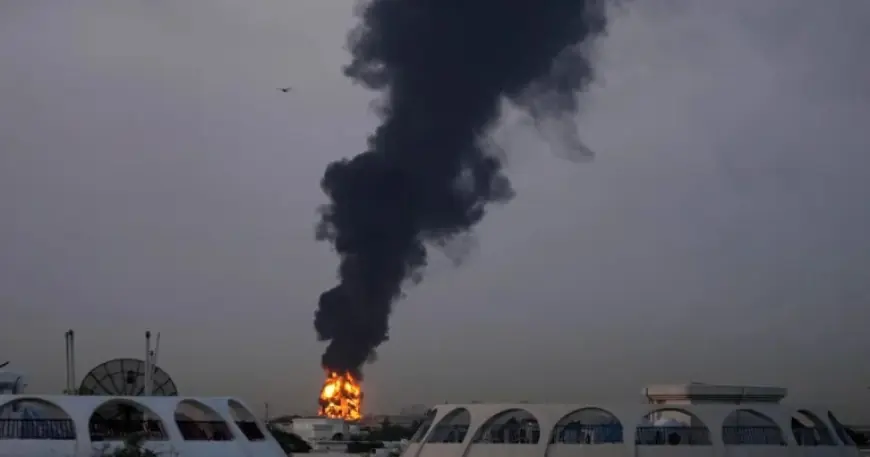
The diplomatic impasse sits alongside continuing violence across the region. Multiple explosions struck Baghdad, killing at least four people in an air raid on a building used by an Iran-backed group, and drone strikes targeted the U. S. embassy compound, where defensive systems shot down at least two drones while a third struck inside the perimeter. Footage has shown smoke and fires near the compound.
Civilians have also suffered in other strikes: a three-day-old infant and a two-year-old child were among those killed when their home in Arak was hit in a U. S. -Israeli attack that also killed two women in the household. Iran’s health authorities report high casualty figures from the wider campaign of strikes, and leaders across Asia are warning of oil-supply shocks and market volatility as the conflict disrupts flows.
Some countries are exploring alternative suppliers and contingency measures to blunt price effects. One government said it has crude reserves sufficient for roughly three months of consumption and is in talks about where to secure additional supply; officials are also considering caps on domestic diesel prices to limit consumer impact. Regional civil defence authorities have reported isolated fires caused by shrapnel from intercepted missiles but no injuries in those incidents.
What happens next will depend on whether partners reach a common operational approach and whether diplomatic channels can reduce the kinetic exchanges that are worsening energy market signals. For now, allies’ reluctance and capability shortfalls leave the president’s demands unresolved and the Strait of Hormuz situation without an immediate fix.