Patricia Cornwell Series Set in Virginia Sparks Finale Cliffhanger That Leaves Scarpetta Transformed

Patricia Cornwell’s long-running forensic protagonist has finally led her own televised series: Scarpetta, a Prime Video adaptation that uses three timelines and a buried secret to end season one on a cyclical, consequential cliffhanger.
Patricia Cornwell Adaptation and Premiere
The television debut brings Dr. Kay Scarpetta to the screen after three-and-a-half decades since the character’s first appearance in Postmortem. The eight-episode first season adapts Cornwell’s Postmortem and Autopsy and is written by Liz Sarnoff. Direction comes from David Gordon Green and Charlotte Brändström. The series splits its narrative across the 1970s, the 1990s and the present day, charting Scarpetta’s childhood, her early career as Virginia’s first female chief medical examiner and her return to that role in the present.
A Cyclical Finale and the Long-Buried Secret
The season closes on a major revelation that reframes Scarpetta’s past and alters how she is seen in the present. In the 1990s timeline, Kay confronted Roy McCorckle, a 9-1-1 dispatcher with ties to multiple victims, and killed him in what she did in self-defense after finding a bound woman. Her partner, Pete Marino, then escalated the situation by shooting the body additional times and covering up Kay’s involvement. Kay was subsequently forced to perform an autopsy on the same man she had killed and to lie about the findings. Showrunner Liz Sarnoff has framed this chain of events as the start of a 25-year cycle of lies that ultimately reverberates through Kay’s family and professional life and leaves her transformed by the season’s end.
Family Fallout and Professional Stakes
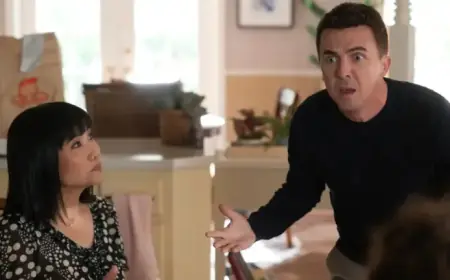
The consequences of the decades-old cover-up play out through strained relationships in the present timeline. Pete moves out of the shared house; Lucy, Kay’s niece, turns away from her aunt over a personal conflict; and Benton Wesley, Kay’s FBI profiler husband, asks for a divorce after confronting the fallout from the long-hidden truth and Kay’s refusal to apologize for lying. The cyclical nature of the finale positions the personal betrayals and institutional compromises as immediate catalysts for further drama in any subsequent season.
Cast, Tone and Forensic Roots
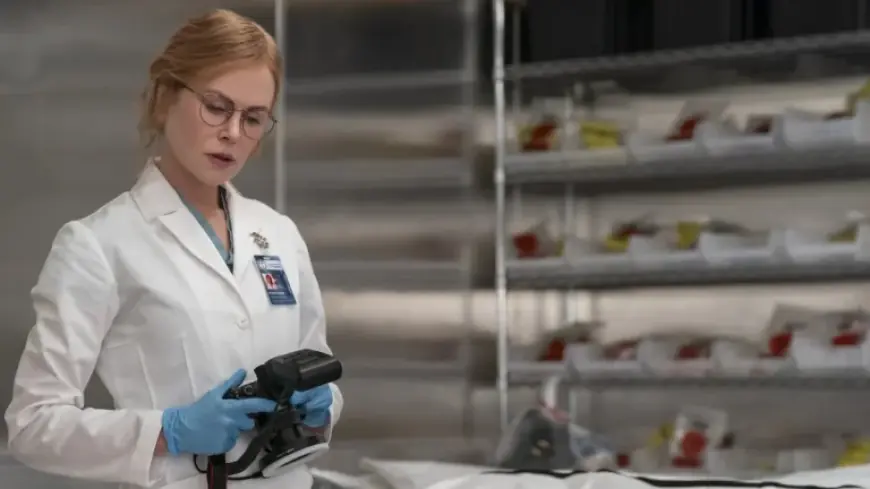
Nicole Kidman and Rosy McEwen split the lead portrayal of Kay Scarpetta across time, presenting her as a methodical, by-the-book forensic pathologist who corrects sexist and sloppy behavior in colleagues. The ensemble includes Jamie Lee Curtis, Bobby Cannavale, Ariana DeBose and Simon Baker; Marino is played in the present by Bobby Cannavale and by a younger performer in the past. The show leans on 1990s and 2000s genre aesthetics — with blue-toned flashbacks and procedural crime-scene work — that nod to the era when Cornwell’s novels helped shape contemporary forensic thrillers. A younger Scarpetta even quotes a line from Postmortem early in the series, and the author makes a cameo in the premiere episode.
Critiques, Comparisons and What Changed
Critical takes note that Scarpetta blends murder investigation with intimate family drama, drawing comparisons to modern prestige procedurals. The series’ aesthetic choices and some storytelling gaps have been highlighted: the flashback technique can feel reminiscent of earlier television styles, and several victims receive limited backstory, with the hunt for the killer placed front and center. Still, the season’s unwillingness to shield its central character from moral complexity — culminating in a finale that leaves Kay implicated in the very violence she has spent her career trying to solve — marks a clear tonal choice that raises the stakes for future episodes.
The first season’s cyclical cliffhanger reframes past actions as active drivers of present consequences, leaving Scarpetta’s relationships, reputation and professional ethics in jeopardy and setting a measured but urgent agenda for what a second season would need to address.