Wbc Finals Miami Call Sparks Controversy After U.S. Advances To Championship

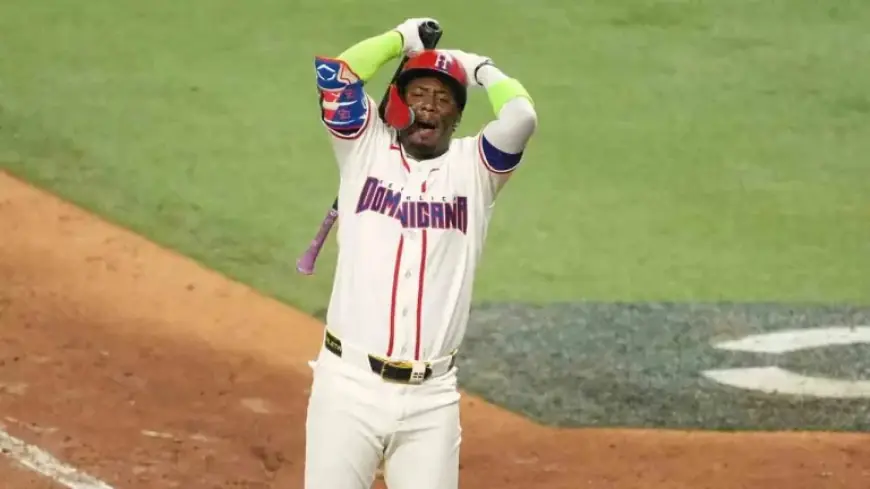
The United States advanced to the World Baseball Classic championship game with a 2-1 win over the Dominican Republic in Miami that ended on a called third strike that many viewed as low, a finish that has intensified debate as the tournament approaches the wbc finals stage. The decision stranded a potential tying run at third base and sent the Americans on to face either Venezuela or Italy.
Final pitch draws immediate protest and decisive outcome
Geraldo Perdomo reacted as if he had drawn a walk when Mason Miller’s full-count slider appeared to drop below the strike zone, taking a step toward his team’s dugout on the third-base side. Plate umpire Cory Blaser signalled strike three emphatically, leaving the Dominican Republic trailing 2-1 and effectively ending the game.
Perdomo later said he knew the call was wrong and insisted the game was not lost on that single pitch. He had earlier worked a full count, fouled off a pair of triple-digit heaters, and then was struck out on Miller’s second slider of the at-bat. One potential tying run remained at third when the final out was recorded.
Human element, technology and what might have changed the result
Major League Baseball’s Automated Ball-Strike Challenge System is set to launch when the regular season begins on March 25, and that system is likely to be adopted for future editions of the World Baseball Classic. The Dominican team would have been able to appeal a similar call to the so-called robot umpire if it had a challenge left in this meeting.
U. S. outfielder Pete Crow-Armstrong expressed relief that the human element was in place for the conclusion, while American first baseman Bryce Harper said he was satisfied with the umpire’s call. Dominican manager Albert Pujols acknowledged his disappointment with how the game ended but declined to dwell on the final pitch.
Aftermath for players and the tournament as it moves toward the Wbc Finals
The sequence featured high-velocity pitching and tense late-game strategy. Miller threw 13 of 22 pitches at 100 m. p. h. or higher, having allowed an earlier one-out walk to Julio Rodríguez that advanced to third on a wild pitch and moved into scoring position on a groundout by Oneil Cruz.
Perdomo’s visible disbelief at the call — he nearly tapped his bat against his body in reaction — and his subsequent comments that his team did not lose the game on that single moment underscore how tightly contested the matchup was. The United States’ victory returns them to the championship stage, where they will meet either Venezuela or Italy for the title.
The outcome and the close scrutiny of the final pitch add a fresh layer to ongoing conversations about officiating and technology in international play, matters that will be under renewed attention as teams and officials prepare for the wbc finals and the broader integration of automated systems in professional schedules.
What is confirmed is clear: the U. S. advances, the Dominican Republic’s tournament ends on a disputed call, and implementation of automated ball-strike review is on the near horizon for professional baseball. Questions about whether a challenge would have altered the result remain open, and the tournament will proceed toward its championship matchup with those unresolved tensions in place.