Bazardo Spotlight: Mariners’ Dipoto Explains the Changes That Unlocked Eduard Bazardo

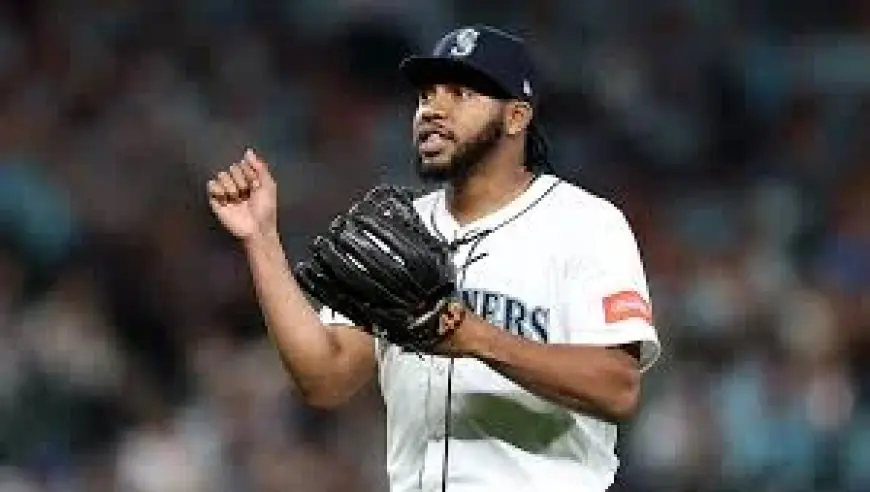
The Mariners’ plan for bazardo came into sharper focus after team executive Jerry Dipoto laid out how Seattle “unlocked” right-hander Eduard Bazardo, a development highlighted in the latest coverage around the club.
Dipoto Details What Changed for Bazardo in Seattle
Dipoto described the internal work that helped the Mariners unlock Eduard Bazardo, framing it as a deliberate effort by the organization to get more out of the pitcher’s skill set. The details were presented as a behind-the-scenes explanation of how the club evaluated bazardo and then made changes designed to produce better results.
The account underscores a broader theme often emphasized by front offices: player development is not limited to the minor leagues, and clubs regularly target specific adjustments once a player arrives in their system. In Dipoto’s telling, the process for Eduard Bazardo reflected that kind of hands-on approach—identifying what needed to change and then committing to a plan to make it stick.
The coverage did not specify a timetable, statistics, or a step-by-step list of the adjustments involved. Still, the focus on Bazardo signals that the Mariners view his progress as meaningful enough to spotlight publicly, with Dipoto using the example to illustrate how the organization tries to translate evaluation into performance.
World Baseball Classic Semifinal Attention Shifts to Venezuela vs. Italy
While the Mariners’ comments on bazardo circulated in baseball news, the World Baseball Classic also drew attention with a live matchup between Venezuela and Italy for a spot in the tournament final. The game’s stakes—advancing to the championship round—put both teams under a brighter spotlight as the event reached its late stages.
The framing of the matchup emphasized the immediacy of the moment: a single game determining which side moves on. With the contest positioned as a semifinal pathway to the final, coverage focused on the high-pressure setting rather than long-term projections or individual awards.
For readers tracking multiple storylines at once, the juxtaposition is familiar: club-level player development narratives such as Eduard Bazardo’s can share the news cycle with international tournament drama, especially when the Classic approaches its final rounds.
Aaron Nola Named Italy’s Starter for the Semifinal
One of the clearest lineup decisions to emerge ahead of the semifinal was Italy’s choice of starting pitcher. Aaron Nola was slated to start for Italy in the World Baseball Classic semifinal, a move that set the tone for how the team intended to attack a win-or-go-home matchup.
The announcement gave the game an immediate focal point: Italy’s pitching plan would begin with Nola, with the rest of the approach to be determined by how the contest unfolded. Beyond naming the starter, the coverage did not provide additional tactical detail, such as pitch counts, bullpen usage, or matchup-based plans.
As the semifinal took center stage, the day’s broader baseball conversation still included the Mariners’ internal work on bazardo—two reminders of how quickly the sport’s storylines can move between tournament urgency and the slower, methodical process of unlocking a player’s potential over time.