Masterchef The Professionals 2026 Performance Puts Haleem and Ramzan Rituals Back in the Spotlight

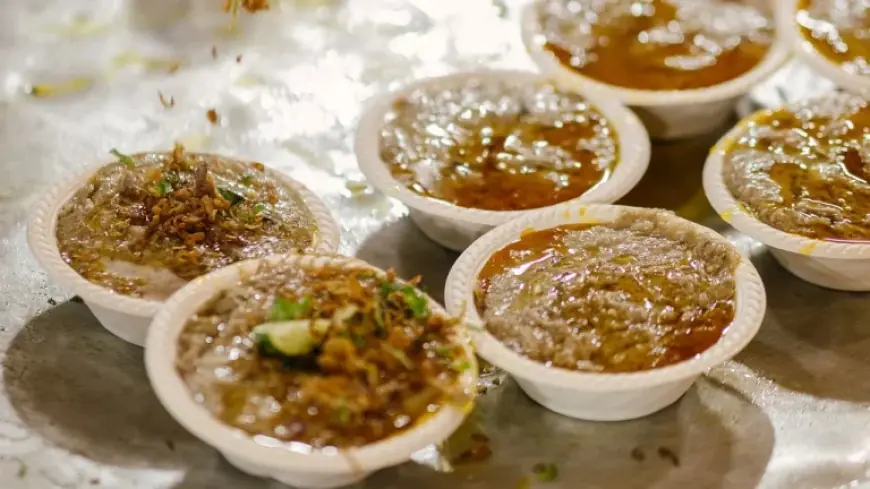
A single plate served on masterchef the professionals 2026 has amplified attention on haleem’s place in Ramzan kitchens and the communities that guard its technique. A chef originally from Rajshahi who now lives in West London presented a slow‑cooked haleem that won judges’ praise and moved him into the semi‑finals, while clips of the dish spread across Instagram and TikTok.
Masterchef The Professionals 2026: Ismail’s Haleem Brings a Traditional Dish to Western Screens
The contestant, identified as a 33‑year‑old chef from Rajshahi living in West London with his wife and young daughter, opted not for a modern reinterpretation but for a faithful take on the dense, spiced stew of wheat, lentils, barley and meat. His presentation impressed the panel and helped him advance to the semi‑finals; the broadcast and subsequent social‑media buzz highlighted haleem’s ceremonial weight and its endurance as a comfort food across South Asia and the Middle East.
The appearance on the show reopened conversations about the dish’s origins and preparation: a labour‑intensive slow cook that resists the speed‑obsessed tendencies of modern food culture and instead rewards patience, sustained heat and careful seasoning.
Why Haleem Matters During Ramzan
Haleem’s seasonal prominence is rooted in communal practice and nutrition. In cities where it is most celebrated, the stew arrives after long, patient cooking: wheat, lentils and meat are beaten and stirred for hours until velvety and merged. The dish is particularly associated with Ramzan because it provides filling, steady energy for those breaking fasts, and its preparation often becomes a public ritual that draws families, neighbourhoods and workplaces into shared buying, gifting and consumption.
The broadcast moment on masterchef the professionals 2026 underscored that cultural context, reminding viewers that the dish is not merely a recipe but a ritual where texture, balance and the right scatter of fried onions, ghee‑laced sherva and dry fruits are fiercely debated.
Hyderabad’s Claims, Local Makers and What Experts Recommend
One city frequently named for its haleem is Hyderabad, where the seasonal practice reshapes public life: heavy cauldrons simmer across streets and queues form before iftar. Local culinary figures and critics weigh in each year on who achieves the ideal balance—smooth but not pasty texture, meat that blends rather than sits apart, and the right measure of spice.
Chefs consulted locally point to stalwarts and year‑round producers. Pista House is praised for consistency and texture, Sarvi is another favourite, and Green Park Hotel is noted for a haleem available throughout the year that still satisfies late‑night appetites. For many, the debate over who did it best each Ramzan reflects civic pride as much as taste.
TV moments like the semi‑final appearance on Masterchef The Professionals 2026 can lift a dish from regional ritual into global conversation, but the chefs and communities who keep the tradition alive remain at the centre of haleem’s enduring appeal.