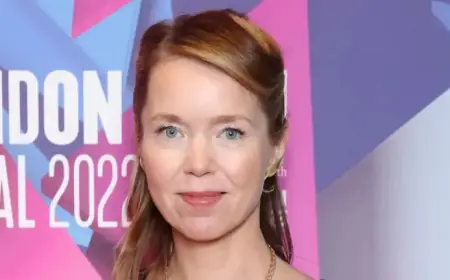
Amol Rajan BBC Today Interview in London Sparks Alastair Campbell Fury

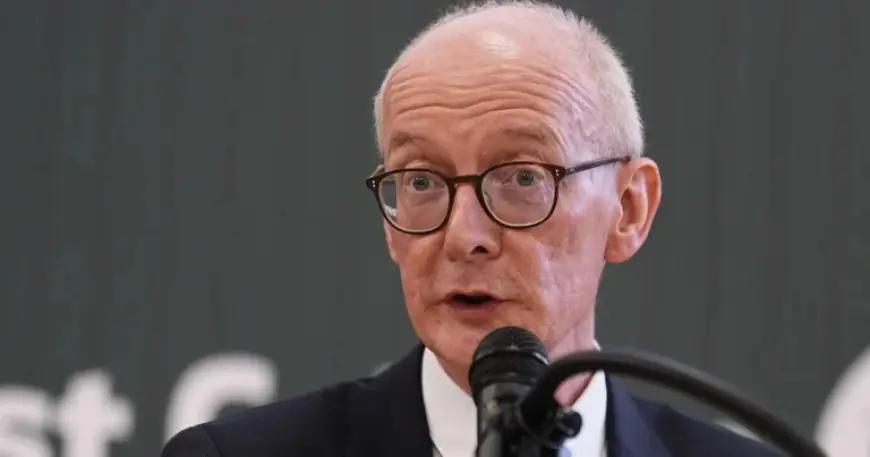
amol rajan’s exchange with Labour MP Pat McFadden on the Radio 4 Today programme, in which he challenged the minister over a projected rise in welfare spending, prompted a sharp public response from former political communications chief Alastair Campbell and renewed debate about interview technique.
Amol Rajan Presses Minister Over £407 Billion Welfare Forecast
The interview turned pointed when the presenter asked why the welfare bill was projected to rise to £407 billion under the government’s watch. The presenter pressed the minister directly on responsibility for the forecast and contrasted that figure with a lower number some critics consider too high. The MP defended his policy updates as part of long-term welfare reform aimed at increasing work opportunities and cited drivers such as state pensions, health and disability benefits, and planned changes to Universal Credit.
McFadden’s Responses and the On-Air Exchange
During the segment, the minister framed his policy emphasis around incentives and support, stressing protections for pensioners and a commitment to the triple lock ahead of a state pension increase. The presenter repeatedly challenged what was being done about the rising cost, and the minister pointed to longstanding structural issues that contribute to the fiscal picture. The interview concluded after a sustained back-and-forth on costs, policy drivers and reform priorities.
Podcasting Work and Alastair Campbell’s Reaction
Outside the interview, the presenter is also identified with a weekly podcast that explores political ideas; a recent episode examined how a sense of agency among voters may be reshaping political behaviour and policy debates. The same presenter’s profile notes roles presenting the Today programme on radio and hosting a television quiz show.
Following the radio exchange, Alastair Campbell publicly expressed frustration with what he described as a trend among some presenters to be unnecessarily confrontational with government ministers. He criticised the tone of exchanges and questioned the value of the so-called morning ministerial round, while praising the minister’s ability to cover a wide range of issues despite the format’s limitations. Comment contributors mirrored that sentiment, noting wider listener disengagement from morning programmes.
What Changed and What Comes Next
The immediate development is a renewed spotlight on the style and substance of broadcast political interviews: a direct line of questioning about fiscal forecasts that elicited a defensive policy response and a high-profile rebuke of presenters’ tone. The conversation also ties into broader public debates about welfare spending, pension protections and benefits reform that emerged during the segment and on the related podcast.
Uncertainties remain around the longer-term political impact of the exchange. The programme’s format and the presenter’s dual roles in broadcast and podcasting mean the episode is likely to generate further discussion about media scrutiny of ministers and how those encounters shape public perceptions of policy accountability.
Looking forward, the ministerial team and programme editors may revisit how detail and context are balanced against sharp questioning in live interviews. Meanwhile, the podcast episode on agency signals an ongoing editorial interest in the underlying political themes that framed the on-air confrontation.