Gauche Parties Clash Over 2026 Municipal Alliances as Paris, Marseille Talks Stall

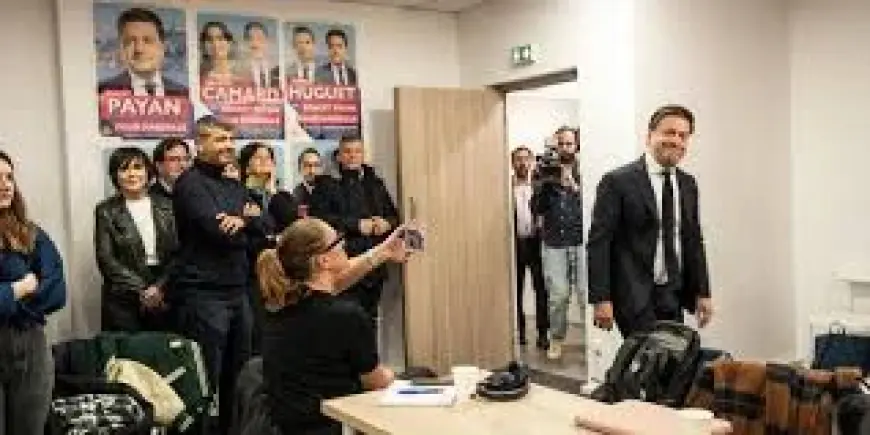
France’s gauche is showing fresh strains over alliance strategy ahead of the 2026 municipal elections, with disputes erupting after Emmanuel Grégoire and Benoît Payan refused an alliance in Paris and Marseille, while left-wing forces announced a “common list” in Toulouse.
Gauche tensions sharpen after Paris and Marseille alliance refusal
In the latest developments from the early maneuvering around the 2026 municipal races, LFI publicly criticized Emmanuel Grégoire and Benoît Payan following their refusal to strike an alliance in Paris and Marseille. The party described their stance as “irresponsible, ” a sign of how quickly negotiations and positioning are turning confrontational in major cities.
The clash underscores a broader challenge for left-wing coordination: building workable local arrangements while party leaders and would-be mayoral teams weigh autonomy, strategy, and the risks of being tied to rival brands on the left. The immediate flashpoint remains the breakdown in Paris and Marseille, where the refusal of an alliance has become a central talking point in the day’s rolling updates on municipal results and positioning.
Olivier Faure signals acceptance of LFI alliances in some cities
Adding to the sense of a complicated and city-by-city approach, Socialist Party leader Olivier Faure said he “perfectly understands” the choices to form alliances with LFI in certain cities. The comment points to a pragmatic line: cooperation can be acceptable in some places even as other local leaders reject it.
The divergence also highlights the balancing act facing the PS nationally as it navigates both internal and external criticism over how far to coordinate with LFI. With alliances contested and scrutinized, Faure’s remarks suggest the party is trying to hold space for local decision-making rather than imposing a single model across the country.
A joint left-wing list announced in Toulouse despite disputes elsewhere
While Paris and Marseille are being cited as examples of failed talks, the gauche is also moving forward with cooperation in at least one major city. A “common list” was presented in Toulouse, illustrating that left-wing unity is not uniformly stalled and that local agreements are still possible even amid high-profile disputes.
The contrasting developments—stalemate and recriminations in some cities, a shared slate in another—reinforce how fragmented the pre-election landscape remains as parties set their strategies for 2026. With criticism intensifying and alliances being defended in others, the next phase is likely to hinge on whether city-level leaders can convert negotiations into durable arrangements or whether more public breakups follow.