Lough Ennell Becomes a Winter Magnet for Spectacular Starling Murmurations

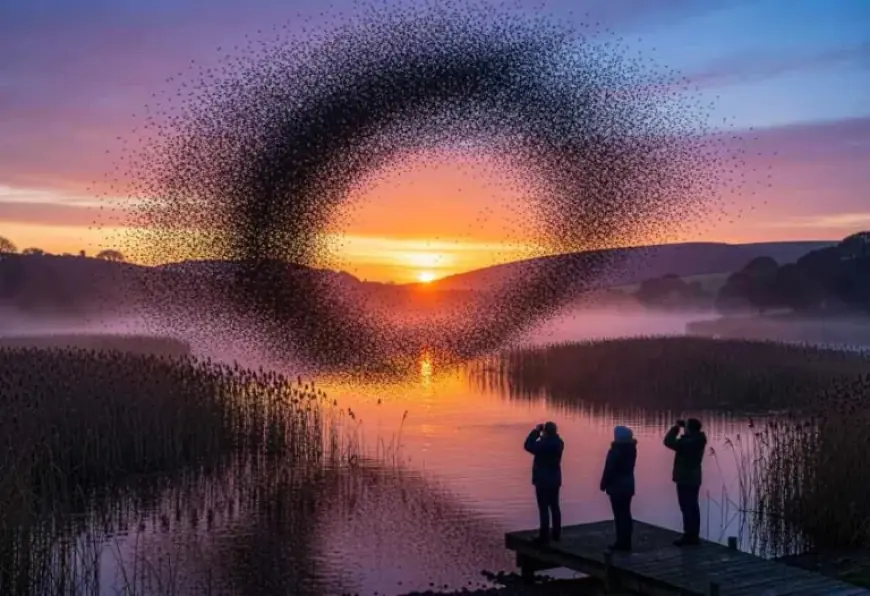
At lough ennell in County Westmeath, starling murmurations are drawing growing numbers of visitors, turning dusk into a reliable nature spectacle and fueling a cool-season tourism bump.
Why Lough Ennell Is the Center of ‘Murmuration Tourism’
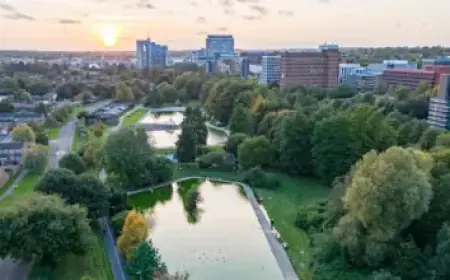
Set on a limestone basin just south of Mullingar, Lough Ennell has emerged as a standout stage for one of Ireland’s most captivating wildlife sights. As temperatures dip, the lake’s evening sky frequently fills with starlings—often in the tens of thousands—forming vast, shifting patterns that have put the area on the map for travelers seeking authentic, nature-based experiences. The consistency of the birds’ roosting habits during colder months has made planning a visit far easier than many other wildlife events, encouraging people to return night after night with cameras and binoculars.
The momentum has been strong enough to bring a noticeable winter lift to local hospitality and tourism businesses. Visitors are arriving specifically for the murmurations, a trend that has turned the shoreline into a seasonal gathering point. At lough ennell, the dependable timing and scale of the displays have helped transform a traditionally quieter travel window into a draw in its own right.
How the Starling Spectacle Works
The performance is a masterclass in coordination. Rather than being led by a single bird, each starling responds to the subtle shifts of its nearest neighbors, setting off ripples of movement that race across the flock. In a heartbeat, the mass can morph from inky ribbons to billowing, pulsing spheres, an effect often likened to liquid silk or drifting smoke against the twilight.
Function is woven into the beauty. Safety comes in numbers when predators are in play: the flock tightens and pulses if a peregrine falcon or sparrowhawk appears, creating a shimmering maze that makes it difficult for a hunter to single out a target. Beyond defense, the congregation acts as a social hub in cold weather. The birds gather to share warmth and are believed to exchange cues about rich feeding grounds found earlier in the day.
While starlings remain a familiar sight in Irish gardens, the kind of sky-filling murmurations remembered from decades past have become rarer. A sustained decline in overall numbers—linked to shifts in farming practices and the loss of traditional nesting sites—has thinned the ranks across much of the island. Lough Ennell stands out because it still hosts a large enough population to recreate the scale of the old, Victorian-era spectacles, giving the lake ecological weight and a sense of living heritage.
When to Go and What to Expect
Timing is central to the experience. The birds generally begin their show roughly thirty minutes before sunset, as flocks stream in from multiple directions and fuse into a single, undulating cloud over the reed beds. The lake’s track record during the colder months means visitors commonly find a display rather than a miss, a reliability that has helped cement the site’s reputation.
Those hoping to catch the full arc of the spectacle often aim to arrive early. Once gathered, the flock can wheel and reshape for minutes at a time, sometimes bursting into tight waves if a predator darts through, before the starlings funnel down to roost. For many visitors, the drama lies in the choreography itself—the way tiny, individual decisions cohere into a shared movement that seems to think as one.
As interest in nature-first travel grows, Lough Ennell’s dusk ritual has become a case study in how a dependable wildlife event can reshape a season. With its consistent roost, grand scale, and accessible setting in Westmeath, the lake has quietly become Ireland’s most reliable window into the magic of murmurations.