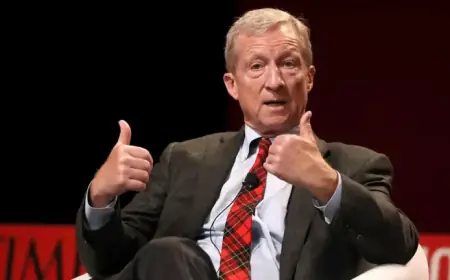
Trump Hormuz Plea To Europe Sparks Allied Reluctance, Leaves NATO Facing Strain

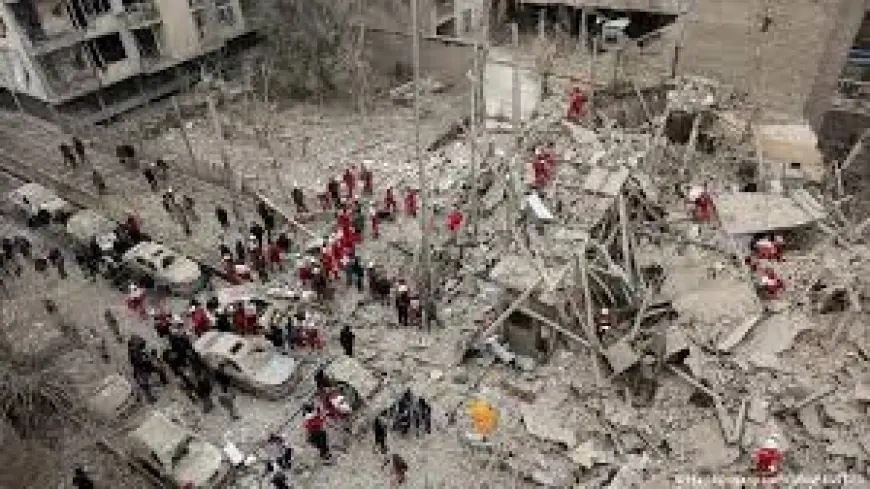
President Donald Trump has pressed European partners to help secure passage through the Strait of Hormuz, a demand that has met clear resistance from allies and raised questions about NATO’s role in a widening US-Israel conflict. The trump hormuz appeal was a central topic at a meeting of European foreign ministers, who signaled unwillingness to broaden existing naval operations.
Trump Hormuz Push and European Response
The trump hormuz call centers on protecting oil and gas tankers transiting a strategic waterway, but European ministers in Brussels expressed reluctance to respond with new military commitments. The EU’s foreign policy chief said the conflict with Iran is not a European war and ministers preferred strengthening an existing naval mission rather than expanding its remit to the Strait of Hormuz. That mission, launched in 2024 after attacks on shipping in the Red Sea, will not see its mandate changed to cover the Hormuz, ministers indicated.
German and NATO Stance
Germany has taken a firm line against being drawn into offensive action. The German chancellor emphasized that NATO is a defensive alliance, not designed for military intervention in this conflict, and stated opposition to Germany taking a military role. That stance underscores a broader hesitancy among US allies to turn regional naval security into a collective military operation, complicating the White House’s push for a multilateral response.
Regional Fallout and Leadership Uncertainty in Tehran
Alongside diplomatic friction over the Hormuz request, leadership uncertainty in Tehran has emerged as a central concern. President Trump said he believes elements in Tehran want to negotiate an end to the conflict, but that it is unclear who actually controls negotiations. The Iranian supreme leadership was reported killed in early strikes, and a successor has been named but has not appeared in public. US defense leadership has suggested the new leader may have been wounded, and the president reiterated unconfirmed reports that the successor could be severely injured or dead. Those conflicting signals have left international partners facing an unclear interlocutor as they weigh involvement.
Beyond the immediate strategic calculations, the conflict has produced tangible disruptions elsewhere. Long queues and shortages of LPG cylinders in New Delhi have been cited as a domestic effect of the wider crisis, illustrating how energy and logistical strains are already being felt far from the Gulf.
The combination of allied reluctance, a declared German refusal to take a military role, and the murky situation inside Iran leaves NATO and European capitals balancing defensive commitments, domestic constraints, and the risks of escalation. With ministers preferring to bolster an existing naval effort rather than expand it, the United States faces limited multilateral options in the near term.
What changes next will depend on clearer signals from Tehran’s leadership and whether allies shift their calculus. For now, the immediate diplomatic contest over burden-sharing and mission mandates is set against a backdrop of uncertainty about who speaks for Iran and how regional and global energy markets will respond.